Tooronga Family Dentistry in Glen Iris

Family dental care in Glen Iris

Book Now

98227006
0450067475

Suite 1.02, 1 Crescent Rd., Glen Iris 3146
  • Home
  • About Us
    • Dr Daniel Kaufman – Experienced Dental Care Professional in Glen Iris
    • Why Visit Tooronga Family Dentistry in Glen Iris?
    • Frequently Asked Questions – Dentist Glen Iris
    • Our Practice in Glen Iris
    • State of the art materials and equipment in Glen Iris
    • Strict Infection Control at Tooronga Family Dentistry in Glen Iris
  • Services
    • Orthodontic braces
    • Straight Teeth with Clear aligners in Glen Iris
      • Invisalign Clear Aligners: A Discreet Alternative to Braces in Glen Iris
    • Wisdom tooth extraction
    • Fixing broken teeth.
    • Kids Dentist in Glen Iris
    • Healing bleeding Gums and bad breath
    • Mending teeth with a large cavities.
    • Teeth Whitening
    • Dealing with dental fear
    • Eliminating bad breath – Halitosis
    • Replacing missing teeth
    • Reinforcing fragile teeth in Glen Iris
    • Treating Molar and Incisor Hypomineralization
  • Contact
    • Emergency Contact
    • Book an Appointment Online
    • Ask Dr Kaufman a question
  • Patient information
    • Our Practice in Glen Iris
    • Blog
    • What is a Root canal treatment
    • Why remove decay from teeth
    • Oral hygiene in Glen Iris
    • Gum Disease During Pregnancy in Glen Iris: Causes, Symptoms, and Risks
    • Crowns and Bridges in Glen Iris
    • What to do for traumatic tooth injuries in Glen Iris
    • Tooth removal – Extractions
    • Child Dental Benefits Schedule
    • Professionally made mouthguard
    • Practice policies in Glen Iris
    • Privacy Policy
    • Terms and Conditions
    • Sitemap

Archives for March 2015

Graphene Antibacterial Dental Treatment in Glen Iris: Revolutionary Material That Destroys Bacteria While Protecting Human Cells

Posted on 03.27.15

When Glen Iris patients ask Dr. Kaufman at Tooronga Family Dentistry about the future of antibacterial dental treatments, an exciting breakthrough material offers unprecedented possibilities: a recent research has found that coarse grained small hydrophobic graphene sheets pierce through the phospholipid membrane and can wreak havoc with the membrane of bacteria. This revolutionary discovery demonstrates that once the bacteria membrane has been breached, the bacteria have difficulty functioning—yet remarkably, while the material has the ability to thwart the growth of some bacterial strains, cells in mammals are not harmed. Most promising for dental applications: the research team specifically used the material to test different species of bacteria associated with tooth decay and gum disease, finding that graphene oxide limited the growth of pathogens by destroying the bacterial walls and membranes. Understanding why the researchers thought this material would be useful in dentistry reveals a potential future where cavities and gum disease could be prevented through advanced nanomaterials that selectively target harmful bacteria while leaving beneficial oral flora and human tissues completely unharmed.


Understanding Graphene: The Revolutionary Material

What is graphene?


Graphene Basics:

The atomic structure:

✓ Single layer of carbon atoms (one atom thick—truly two-dimensional material) ✓ Hexagonal lattice arrangement (honeycomb pattern—carbon atoms bonded in hexagons) ✓ Thinnest material possible (0.335 nanometers—about 3 million layers = 1mm thickness) ✓ Discovered 2004 (isolated by researchers—Nobel Prize in Physics 2010)


Graphene Properties:

Extraordinary characteristics:

✓ Strongest material known (200x stronger than steel—despite atomic thinness) ✓ Highly conductive (electricity, heat—better than copper) ✓ Flexible (can be bent, stretched—without breaking) ✓ Transparent (97% light transmission—nearly invisible) ✓ Impermeable (even helium atoms can’t pass through—perfect barrier)

The excitement: Material with unprecedented properties—revolutionizing electronics, materials science, medicine, and now dentistry.


Graphene Oxide:

The dental application form:

✓ Graphene with oxygen groups (hydroxyl, carboxyl, epoxy groups attached—modifying properties) ✓ Hydrophilic regions (oxygen groups—attracting water) ✓ Hydrophobic regions (carbon structure—repelling water) ✓ Dispersible in water (unlike pure graphene—allowing biological applications) ✓ Coarse grained small sheets (as mentioned in research—specific size, texture for bacterial membrane interaction)

Critical modification: Adding oxygen functional groups creates material compatible with biological environments (water-based, like saliva, blood) while maintaining antibacterial properties.


The Antibacterial Mechanism: How Graphene Kills Bacteria

The groundbreaking discovery:

A recent research has found that coarse grained small hydrophobic graphene sheets pierce through the phospholipid membrane and can wreak havoc with the membrane of bacteria.


Understanding Bacterial Membranes:

What graphene attacks:


Bacterial Cell Structure:

✓ Phospholipid membrane (double layer of fat molecules—forming barrier around bacteria) ✓ Cell wall (peptidoglycan layer—rigid structure outside membrane, unique to bacteria) ✓ Critical barrier function (keeping cellular contents in, environmental threats out)

The membrane’s role: Absolutely essential for bacterial survival—controls what enters/exits, maintains cell pressure, houses critical proteins for nutrition, waste removal, reproduction.


The Piercing Action:

“Coarse grained small hydrophobic graphene sheets pierce through the phospholipid membrane”:


How Piercing Occurs:

The physical mechanism:

  1. Graphene sheet contacts bacteria (nanoscale interaction—sheet encountering bacterial membrane)
  2. Hydrophobic regions attract (graphene’s hydrophobic carbon areas—interacting with membrane lipids)
  3. Sharp edges penetrate (graphene incredibly thin, rigid—atomically sharp edges)
  4. Sheet inserts into membrane (piercing through—like molecular knife)
  5. Membrane integrity compromised (hole created—barrier breached)

The key property: “Coarse grained small hydrophobic”—specific surface texture and hydrophobic character allowing interaction with bacterial membrane lipids, while sharp edges (atomic thinness) allowing physical penetration.


The Havoc:

“And can wreak havoc with the membrane of bacteria”:

Multiple destructive effects:

⚠ Membrane disruption (holes, tears—barrier function lost) ⚠ Cellular content leakage (cytoplasm, proteins escaping—loss of essential components) ⚠ Ion imbalance (sodium, potassium gradients disrupted—electrical dysfunction) ⚠ Osmotic stress (water flooding in—bacteria swelling, lysing) ⚠ Membrane protein dysfunction (transport, signaling proteins damaged—metabolic failure)


The Bacterial Dysfunction: Why Breached Membrane Is Fatal

The consequence:

Once the bacteria membrane has been breached, the bacteria have difficulty functioning.


Why Membrane Integrity Is Essential:

Critical functions lost:


1. Barrier Function:

⚠ Contents escape (enzymes, genetic material—leaking out) ⚠ Toxins enter (environmental threats—flooding in uncontrolled) ⚠ Cannot maintain internal environment (pH, osmolarity—essential conditions lost)


2. Energy Production:

⚠ Electron transport chain disrupted (located in membrane—ATP production ceases) ⚠ Proton gradient lost (essential for energy generation—bacteria “starve”) ⚠ Metabolism shutdown (no energy—all cellular processes failing)


3. Nutrient Acquisition:

⚠ Transport proteins damaged (membrane-embedded—no longer functional) ⚠ Cannot absorb nutrients (sugars, amino acids—starvation despite nutrient presence) ⚠ Waste accumulation (cannot export—internal poisoning)


4. Reproduction:

⚠ Cell division impossible (requires intact membrane—cannot create two viable cells from one) ⚠ DNA replication impaired (energy-dependent—no energy, no replication) ⚠ Population growth halted (bacteria cannot multiply—colony fails)

The result: Bacteria with breached membrane experience multiple simultaneous system failures—“difficulty functioning” is understatement; more accurately, bacteria dying from catastrophic membrane failure.


The Safety Breakthrough: Selective Toxicity

The critical difference:

While the material has the ability to thwart the growth of some bacterial strains, cells in mammals are not harmed.


Why Mammalian Cells Are Safe:

The selectivity mechanisms:


Difference 1: Membrane Composition

Bacterial vs. mammalian membranes:

Bacteria:

  • Phospholipid bilayer + peptidoglycan cell wall (rigid, exposed)
  • Negatively charged surface (lipopolysaccharides—attracting positively charged/hydrophobic materials)
  • Thinner, simpler structure (vulnerable to physical disruption)

Mammalian cells:

  • Phospholipid bilayer + cholesterol (more flexible, resilient)
  • Neutral/slightly negative charge (less graphene attraction)
  • Glycocalyx coating (sugar layer protecting membrane)
  • Thicker, more complex (harder to physically disrupt)

Graphene sheets preferentially interact with bacterial membrane characteristics—less attraction to, less damaging against mammalian membranes.


Difference 2: Size and Scale

Relative sizes:

  • Bacteria: 1-10 micrometers (small—graphene sheets comparable scale to bacterial size)
  • Mammalian cells: 10-100 micrometers (larger—graphene sheets smaller relative scale)
  • Graphene sheet: 100-1000 nanometers (perfect size for bacterial interaction, less effective against larger mammalian cells)

The physics: Graphene sheets right size for efficient bacterial membrane penetration but too small to efficiently attack larger, more robust mammalian cell membranes.


Difference 3: Cellular Defenses

Mammalian protective mechanisms:

✓ Antioxidant systems (glutathione, catalase—neutralizing reactive species graphene might generate) ✓ Membrane repair (machinery fixing minor damage—bacteria lack this capacity) ✓ Immune clearance (phagocytes engulfing graphene particles—removing before damage accumulates)

Result: Even if minor mammalian membrane interactions occur, cells repair damage and body clears material—bacteria cannot.


The Research Validation:

Experimental confirmation:

Research teams tested graphene oxide on: ✓ Bacterial cultures (multiple species—demonstrated growth inhibition, membrane damage) ✓ Mammalian cell cultures (human fibroblasts, epithelial cells—no toxicity at antibacterial concentrations) ✓ Animal studies (mice, rats—no adverse effects at therapeutic doses)

The safety profile: Graphene oxide shows wide therapeutic window—concentrations killing bacteria leave mammalian cells completely unharmed.

Glen Iris patients can be reassured: unlike broad-spectrum antibiotics (killing all bacteria, including beneficial ones, causing side effects), graphene oxide offers selective antibacterial action without harming human tissues.


The Dental Application: Targeting Oral Pathogens

Why this matters for dentistry:

The research team specifically used the material to test different species of bacteria associated with tooth decay and gum disease.


The Targeted Bacteria:

Oral pathogens tested:


Tooth Decay Bacteria:

✓ Streptococcus mutans (primary decay-causing bacteria—produces acid from sugars, demineralizing enamel) ✓ Lactobacillus species (acid-producing—contributing to cavity progression)


Gum Disease Bacteria:

✓ Porphyromonas gingivalis (major periodontal pathogen—destroying gum tissue, bone) ✓ Aggregatibacter actinomycetemcomitans (aggressive periodontitis—early-onset gum disease) ✓ Tannerella forsythia (periodontitis-associated—contributing to tissue destruction) ✓ Prevotella intermedia (gum inflammation—gingivitis, periodontitis)


The Research Findings:

They concluded that graphene oxide limited the growth of pathogens by destroying the bacterial walls and membranes.


The Dual Destruction:

“Destroying the bacterial walls and membranes”:

✓ Cell wall damage (peptidoglycan disruption—structural weakening) ✓ Membrane perforation (piercing action—functional failure) ✓ Combined effect (attacking both barriers—overwhelming bacterial defenses)


Growth Limitation:

“Limited the growth”:

✓ Bactericidal effect (killing existing bacteria—immediate population reduction) ✓ Bacteriostatic effect (preventing reproduction—stopping population expansion) ✓ Biofilm disruption (penetrating bacterial communities—reaching protected bacteria)

The significance: Graphene oxide doesn’t just slow bacterial growth—it kills bacteria and prevents regrowth, providing comprehensive antibacterial control.


Why Researchers Thought Material Useful in Dentistry

The dental potential:

For this reason, the researchers thought this material would be useful in dentistry.


Advantage 1: Selective Antibacterial Action

Killing pathogens, preserving beneficial bacteria:

✓ Targeting decay/gum disease bacteria (the problematic species) ✓ Potentially sparing beneficial flora (commensal bacteria maintaining oral health balance) ✓ No antibiotic resistance (physical mechanism—bacteria cannot evolve resistance to physical membrane destruction)

Contrast with antibiotics: Antibiotics often indiscriminate (killing beneficial bacteria too), resistance-prone (bacteria evolving defenses)—graphene offers superior selectivity, no resistance development.


Advantage 2: Biofilm Penetration

Reaching protected bacteria:

✓ Thin sheets penetrate biofilm (matrix bacteria produce—graphene slipping between bacterial cells) ✓ Reaching deep bacteria (biofilm-embedded pathogens—normally protected from antimicrobials) ✓ Disrupting community structure (breaking apart biofilm—exposing all bacteria)

Clinical significance: Dental plaque is biofilm—protecting bacteria from antimicrobials, saliva, immune system. Graphene’s ability to penetrate biofilm means reaching bacteria that topical rinses, antibiotics cannot.


Advantage 3: Long-lasting Effect

Sustained antibacterial activity:

✓ Physical stability (graphene doesn’t degrade quickly—remaining active long-term) ✓ No bacterial clearance (body doesn’t rapidly eliminate graphene—prolonged exposure) ✓ Continuous antibacterial action (ongoing bacterial contact—sustained growth inhibition)

Application possibility: Graphene incorporated into dental materials (fillings, sealants, coatings) providing long-term antibacterial protection—preventing decay around restorations, reducing reinfection.


Advantage 4: Material Versatility

Multiple delivery methods:

✓ Rinses, gels (topical application—home use) ✓ Composite fillings (graphene-infused—antibacterial restorations) ✓ Coatings (on implants, orthodontic brackets—preventing infection) ✓ Periodontal delivery (in gum pockets—treating periodontitis) ✓ Toothpaste (daily use—preventive antibacterial)

The flexibility: Graphene oxide can be incorporated into virtually any dental material—opening countless application possibilities.


Potential Dental Applications: The Future

How graphene might be used:


Application 1: Cavity Prevention

Antibacterial toothpaste/rinse:

✓ Graphene oxide formulation (safe concentration—daily use) ✓ Kills S. mutans (primary decay bacteria—reducing acid production) ✓ Prevents biofilm formation (disrupting plaque—maintaining clean teeth) ✓ Superior to fluoride alone (complementary—fluoride strengthens enamel, graphene kills bacteria)


Application 2: Antibacterial Fillings

Graphene-infused composites:

✓ Composite resin + graphene oxide (nanoparticles distributed throughout—material-level antibacterial) ✓ Inhibiting recurrent decay (bacteria cannot colonize filling margins—preventing secondary cavities) ✓ Long-term protection (graphene remaining active—years of antibacterial effect)


Application 3: Gum Disease Treatment

Periodontal therapy enhancement:

✓ Graphene gel application (in periodontal pockets—killing P. gingivalis, other pathogens) ✓ Adjunct to scaling (mechanical cleaning + antibacterial—superior outcomes) ✓ Biofilm disruption (reaching bacteria deep in pockets—non-surgical treatment improvement)


Application 4: Implant Coatings

Preventing peri-implantitis:

✓ Graphene coating on titanium implants (antibacterial surface—preventing bacterial colonization) ✓ Reducing infection risk (major implant complication—graphene preventing) ✓ Improving success rates (infection prevention—longer implant survival)


Application 5: Orthodontic Applications

Bracket/wire coatings:

✓ Antibacterial orthodontics (graphene-coated brackets, wires—reducing plaque accumulation) ✓ White spot prevention (decalcification around brackets—major aesthetic problem, graphene preventing) ✓ Improved oral hygiene (during orthodontic treatment—challenging period for plaque control)


Application 6: Root Canal Disinfection

Endodontic enhancement:

✓ Graphene irrigation (canal disinfection—killing bacteria missed by mechanical cleaning) ✓ Sealer incorporation (graphene in filling material—preventing reinfection) ✓ Improved success rates (thorough disinfection—reducing treatment failure)


The Research Status: Where We Are Now

Current development stage:


Laboratory Success:

✓ In vitro studies (culture dishes—proven antibacterial effect) ✓ Multiple bacterial species (decay, gum disease pathogens—all susceptible) ✓ Mammalian safety (cell cultures—no toxicity confirmed) ✓ Mechanism understood (membrane destruction—not mysterious, predictable)


Pre-Clinical Development:

✓ Animal studies (ongoing—testing in living organisms) ✓ Biocompatibility testing (confirming safety—in complex biological environments) ✓ Delivery optimization (determining best concentrations, formulations—maximizing efficacy, safety) ✓ Material development (incorporating into dental products—composite, coatings, gels)


Path to Clinical Use:

⚠ Regulatory approval needed (FDA, TGA—demonstrating safety, efficacy) ⚠ Clinical trials required (human testing—confirming laboratory findings translate) ⚠ Manufacturing scale-up (producing graphene materials—consistent quality, reasonable cost) ⚠ Timeline: Likely 5-10 years before commercially available dental products

Glen Iris patients won’t see graphene toothpaste tomorrow—but the foundation is being laid for revolutionary antibacterial dental treatments in coming decade.


The Broader Impact: Beyond Antibacterial

Additional graphene properties for dentistry:


Mechanical Reinforcement:

✓ Strengthening composites (graphene fibers—increasing filling strength, wear resistance) ✓ Tougher restorations (less fracture—longer-lasting fillings)


Remineralization Enhancement:

✓ Scaffold for mineral deposition (graphene structure—guiding enamel/dentin regrowth) ✓ Reversing early decay (promoting remineralization—healing incipient cavities)


Diagnostic Applications:

✓ Biosensors (graphene detecting bacteria, inflammation markers—early disease detection) ✓ Real-time monitoring (graphene sensors in mouth—tracking oral health continuously)

The versatility: Graphene’s multiple beneficial properties (antibacterial, structural, conductive, biocompatible) position it as transformative material for dentistry—not single application but platform technology enabling numerous innovations.


Expert Forward-Thinking Dental Care in Glen Iris

Dr. Kaufman stays informed about emerging dental technologies:

Our commitment to innovation:

✓ Following research developments (graphene, nanotechnology, biomaterials—understanding future directions) ✓ Evaluating new materials (as they become available—adopting proven beneficial technologies) ✓ Patient education (explaining emerging treatments—helping understand evolving dental care) ✓ Evidence-based adoption (not using unproven treatments—waiting for rigorous validation before clinical implementation) ✓ Current best practices (using today’s most advanced materials—nano-composites, fiber-reinforced materials)

Schedule your appointment:

  • Phone: 9822 7006
  • Services: Advanced restorative dentistry, antibacterial treatments, preventive care
  • Location: Serving Glen Iris, Malvern, Ashburton, Camberwell, and surrounding Melbourne communities

If you’re interested in cutting-edge dental care, want to understand emerging treatments, or need current best-practice antibacterial dental treatment, call Tooronga Family Dentistry on 9822 7006.

Dr. Kaufman will discuss current antibacterial options (antimicrobial rinses, advanced composites), explain emerging technologies like graphene, and provide evidence-based recommendations for preventing decay and gum disease.

The future of antibacterial dentistry is exciting—and Dr. Kaufman will bring proven innovations to Glen Iris patients as they become clinically validated.

BPA and Tooth Enamel Damage in Glen Iris Children: Understanding the Molar Incisor Hypomineralization Connection

Posted on 03.26.15

When Glen Iris parents bring children to Tooronga Family Dentistry for routine checkups, Dr. Kaufman sometimes identifies a concerning condition affecting permanent teeth: discolored, weak enamel on molars and front teeth. Understanding the cause of this increasingly common problem has been a mystery—until now. A recent research found that tooth enamel abnormality in children, molar incisor hypomineralization (MIH), may result from exposure to the industrial chemical bisphenol A (BPA). The groundbreaking discovery came when the authors of a new study reached this conclusion after finding similar damage to the dental enamel of rats that received BPA—establishing a direct causal link between environmental chemical exposure and permanent tooth damage. These results may shed light on the increasing prevalence of molar and incisor hypomineralization in the developed world, where BPA exposure through plastics, food packaging, and consumer products is widespread. Hopefully with the increase in awareness to the presence of BPA and its effects this trend will stop—as parents take protective measures reducing their children’s exposure to this tooth-damaging chemical.

For Glen Iris families concerned about their children’s enamel health, understanding BPA risks and knowing treatment options for affected teeth is essential.


Understanding Molar Incisor Hypomineralization (MIH)

What is this condition?


MIH Definition:

The tooth enamel abnormality:

✓ Molar Incisor Hypomineralization (MIH—specific pattern of enamel defect) ✓ Affects specific teeth (first permanent molars—erupting age 6; permanent incisors—erupting age 6-8) ✓ Developmental defect (occurs during enamel formation—before teeth erupt) ✓ Varying severity (mild discoloration to severe structural weakness)


Clinical Appearance:

What Dr. Kaufman sees:

⚠ Demarcated opacities (distinct white, yellow, or brown patches—not smooth transition but clear boundaries) ⚠ Asymmetric distribution (severity varies tooth to tooth—one molar severely affected, another mildly) ⚠ Post-eruptive enamel breakdown (enamel chipping, crumbling—within months of eruption) ⚠ Sensitivity (affected teeth hypersensitive—cold, hot, sweet causing sharp pain) ⚠ Rapid decay (porous enamel—bacteria penetrating easily, cavities developing quickly)


Affected Teeth Pattern:

Why “molar incisor”:

✓ First permanent molars (four teeth—erupting behind baby teeth at age 6) ✓ Permanent incisors (front teeth—four upper, sometimes four lower) ✓ Same developmental timing (all forming/mineralizing during same period—ages 0-4 years) ✓ Other teeth typically unaffected (premolars, second molars, canines—developing at different times, spared)

The pattern specificity suggests exposure during critical developmental window—when molars and incisors mineralizing, other teeth not yet forming.


Prevalence:

How common is MIH?

✓ Global: 14-20% of children (significant—affecting roughly 1 in 6-7 children worldwide) ✓ Developed countries: Even higher rates (20-25%—correlated with industrialization, plastic use) ✓ Increasing trend (documented rise over past 30 years—paralleling increased environmental chemical exposure)

Glen Iris parents should know: MIH is not rare—it’s one of the most common developmental dental conditions, affecting many children in modern developed societies.


The BPA Connection: Research Findings

The breakthrough discovery:

A recent research found that tooth enamel abnormality in children, molar incisor hypomineralization (MIH), may result from exposure to the industrial chemical bisphenol A (BPA).


What Is BPA?

Understanding the chemical:

✓ Bisphenol A (BPA—industrial chemical used since 1960s) ✓ Synthetic compound (mimics estrogen—endocrine-disrupting chemical) ✓ Widespread use (polycarbonate plastics, epoxy resins—ubiquitous in consumer products) ✓ Common sources:

  • Plastic bottles, containers (especially hard, clear plastics marked with recycling code #7)
  • Food can linings (epoxy resin—preventing metal corrosion, contaminating food)
  • Thermal receipt paper (coating—transferring to skin upon touch)
  • Dental sealants (some formulations—though most modern sealants BPA-free)
  • Baby bottles, sippy cups (older products—many countries now ban BPA in infant products)

The Research Study:

The authors of a new study reached this conclusion after finding similar damage to the dental enamel of rats that received BPA.


Study Design:

How researchers established the link:

✓ Animal model (rats—teeth develop similarly to humans) ✓ BPA exposure (rats given BPA during tooth development—mimicking human environmental exposure) ✓ Control group (rats without BPA exposure—comparison baseline) ✓ Enamel analysis (examining tooth structure, mineral content—comparing exposed vs. unexposed)


Key Findings:

“Similar damage to dental enamel”:

⚠ BPA-exposed rats: Enamel with demarcated opacities, hypomineralization, structural weakness (matching human MIH appearance) ⚠ Control rats: Normal enamel formation, proper mineralization ⚠ Dose-response: Higher BPA exposure = more severe enamel damage ⚠ Timing-specific: Exposure during enamel development = defects; exposure after formation = no effect


The Causal Mechanism:

How BPA damages enamel:

✓ Disrupts ameloblasts (enamel-forming cells—BPA interfering with function) ✓ Impairs mineralization (calcium deposition disrupted—enamel remains soft, porous) ✓ Alters protein expression (enamel matrix proteins—structural framework abnormal) ✓ Endocrine disruption (BPA mimicking estrogen—hormonal signals affecting tooth development)

The significance: This research establishes direct causal link—not just correlation but mechanism—BPA causes enamel defects through specific biological pathways.


Why This Explains the MIH Epidemic

Connecting the dots:

These results may shed light on the increasing prevalence of molar and incisor hypomineralization in the developed world.


The Timeline Correlation:

Historical pattern matching:

✓ 1960s-1970s: BPA introduced, plastic use expanding ✓ 1980s-1990s: Widespread BPA exposure (plastics ubiquitous—food containers, baby products) ✓ 1990s-2000s: MIH first recognized, described (dentists noticing increasing cases) ✓ 2000s-present: MIH prevalence rising (documented increase—paralleling BPA exposure expansion)

The correlation: MIH emergence and rise follows widespread BPA introduction by 20-30 years—consistent with environmental exposure causing developmental defects in subsequent generations.


Why Developed World Specifically:

Industrial chemical exposure pattern:

✓ Higher plastic use (developed countries—more packaged foods, plastic containers) ✓ BPA-lined cans (widespread in developed nations—less in developing countries using fresh foods) ✓ Consumer product exposure (receipts, electronics, household items—concentrated in industrialized societies) ✓ Prenatal/infant exposure (pregnant women, babies in developed countries—higher BPA body burden)

The geography: MIH prevalence highest in most industrialized nations (North America, Europe, Australia)—exactly where BPA exposure most widespread—strongly suggesting causal relationship.


The Missing Piece Explained:

Why MIH was mysterious:

Dentists, researchers puzzled by MIH because: ✗ Not genetic (no family clustering) ✗ Not infectious (not spreading person-to-person) ✗ Not nutritional (adequate calcium, vitamin D—still developing MIH) ✗ Not from dental care (fluoride, products—not explaining pattern)

The BPA explanation: Fits perfectly—environmental exposure, specific developmental timing, widespread in industrialized populations, increasing over time—solving the MIH mystery.

Glen Iris parents can now understand: their child’s enamel defects likely result from unavoidable environmental chemical exposure—not their fault, not preventable through diet/hygiene alone, but systemic societal issue requiring awareness and protective action.


The Hope: Reversing the Trend

The path forward:

Hopefully with the increase in awareness to the presence of BPA and its effects this trend will stop.


Increasing Awareness:

Public recognition growing:

✓ Research publications (like this study—documenting BPA-MIH link) ✓ Media coverage (health news—informing parents about BPA risks) ✓ Professional education (dentists, pediatricians—understanding MIH cause, advising parents) ✓ Consumer activism (demanding BPA-free products—market pressure)


Regulatory Responses:

Government actions:

✓ BPA bans (many countries—prohibiting BPA in baby bottles, sippy cups) ✓ Product labeling (BPA-free claims—allowing informed consumer choice) ✓ Exposure limits (regulatory agencies—setting maximum safe levels) ✓ Alternatives development (industry seeking BPA replacements—though some substitutes also problematic)


Consumer Protection Strategies:

What Glen Iris parents can do:


Reduce BPA Exposure:

✓ Avoid plastic containers (especially for hot foods/liquids—heat releases more BPA) ✓ Choose glass, stainless steel (water bottles, food storage—BPA-free materials) ✓ Limit canned foods (most linings contain BPA—fresh, frozen, or glass-jarred alternatives) ✓ BPA-free baby products (bottles, sippy cups, teethers—labeled BPA-free) ✓ Minimize receipt handling (thermal paper coated—wash hands after touching, don’t let children handle) ✓ Check dental products (ask dentist about sealants—ensuring BPA-free formulations)


Critical Protection Windows:

When exposure most harmful:

⚠ Pregnancy (fetal tooth development starting—maternal BPA crossing placenta) ⚠ Birth-4 years (permanent molar/incisor formation—critical mineralization period)

Priority: Pregnant women, infants, toddlers should minimize BPA exposure maximally—this developmental window determines whether MIH develops.


The Realistic Outlook:

Will the trend stop?

Optimistic scenario: ✓ Awareness increasing → exposure decreasing → fewer children developing MIH (20-30 years to see effect—time lag for enamel development, eruption)

Challenges: ⚠ BPA alternatives (bisphenol S, F—also potentially harmful, less studied) ⚠ Widespread contamination (BPA in environment—dust, water, soil) ⚠ Legacy exposure (BPA already in products—taking years to fully eliminate)

Reality: Trend may slow but unlikely to stop immediately—generational timeframe needed, continued vigilance required.


Managing MIH: Treatment and Prevention

For children already affected:

For more detailed way of dealing with the consequences of molar and incisor hypomineralization please read this post.

(Note: This references another post providing comprehensive MIH management—following is overview, with reference to detailed content elsewhere)


Treatment Approaches:


Mild MIH:

✓ Monitoring (regular checkups—watching for progression) ✓ Desensitizing treatments (fluoride varnish, remineralizing agents—reducing sensitivity) ✓ Preventive care (excellent hygiene, fluoride—preventing decay in vulnerable enamel)


Moderate MIH:

✓ Resin infiltration (sealing porous enamel—strengthening, improving appearance) ✓ Composite restorations (covering affected areas—protecting from breakdown) ✓ Sensitivity management (desensitizing toothpaste, fluoride—improving comfort)


Severe MIH:

✓ Crowns (stainless steel or ceramic—full coverage protecting severely affected molars) ✓ Extraction (in extreme cases—removing non-restorable teeth, orthodontic space closure) ✓ Pain management (local anesthesia often difficult—affected teeth may not numb easily)


The Challenge:

Why MIH is difficult to treat:

⚠ Anesthesia resistance (hypomineralized enamel—local anesthetic not penetrating well, treatment painful) ⚠ Rapid decay progression (porous enamel—bacteria invading quickly) ⚠ Poor restoration retention (weak enamel—fillings, crowns not bonding well) ⚠ Sensitivity (extreme—children reluctant to brush, worsening problems)

The importance: Prevention (reducing BPA exposure) far superior to treatment (managing established MIH)—once enamel defects present, lifelong management required.


 Dental Care for Children in Glen Iris

Dr. Kaufman provides comprehensive care for children with MIH:

Our pediatric services include:

✓ MIH diagnosis and monitoring (recognizing characteristic patterns—early detection) ✓ Sensitivity management (fluoride treatments, desensitizing agents—improving comfort) ✓ Preventive care emphasis (minimizing decay risk—in vulnerable hypomineralized enamel) ✓ Gentle restorative treatment (child-friendly approach—managing anesthesia challenges) ✓ Parent education (BPA awareness, exposure reduction—protecting younger siblings) ✓ Comprehensive treatment planning (addressing current problems, preventing future—long-term strategy) ✓ Referral coordination (when needed—pediatric specialists for complex cases)

Schedule your child’s appointment:

  • Phone: 9822 7006
  • Services: Pediatric dental care, MIH treatment, preventive dentistry, enamel defect management
  • Location: Serving Glen Iris, Malvern, Ashburton, Camberwell, and surrounding Melbourne communities

If your child has discolored, sensitive permanent molars or front teeth, or if you’re concerned about BPA exposure effects, Call or book online Tooronga Family Dentistry on (03) 9822 7006.

Dr. Kaufman will examine your child’s teeth, identify any MIH present, discuss treatment options, and provide guidance on reducing BPA exposure to protect younger siblings or future children.

For detailed MIH management information, ask Dr. Kaufman for the comprehensive guide addressing all aspects of living with and treating molar incisor hypomineralization.

Protect your children from BPA—and know that if MIH develops, effective management is available.

Gum Disease and Systemic Health in Glen Iris: How Periodontitis Affects Your Entire Body

Posted on 03.25.15

When Glen Iris patients think about gum disease, they typically imagine a localized dental problem—bleeding, swollen gums, perhaps tooth loss. At Tooronga Family Dentistry, Dr. Kaufman wants patients to understand a critical reality: the condition of the gums has many consequences on your general health—far beyond the mouth. Research has established that gum disease can lead to diabetes, stroke, premature babies and other medical conditions on top of the local effects in the oral cavity—transforming periodontal disease from a “dental issue” into a serious systemic health threat requiring medical attention. Recognizing the importance of early detection, the European Federation of Periodontology has published an easy [test] with list of questions for self assessment of the gum condition—empowering individuals to identify warning signs before irreversible damage occurs. Understanding the gum disease-systemic health connection and knowing when to seek professional periodontal evaluation can literally save lives—preventing not just tooth loss but heart attacks, strokes, and pregnancy complications.

Please don’t hesitate to contact us for more information about gum disease or to make an appointment to examine the condition of gums.


Understanding Gum Disease: More Than a Dental Problem

The systemic reality:

The condition of the gums has many consequences on your general health.


What Is Gum Disease?

The progressive infection:


Stage 1: Gingivitis

✓ Gum inflammation (red, swollen gums—reversible) ✓ Bleeding (with brushing, flossing—early warning sign) ✓ No bone loss (damage limited to soft tissue—can be fully reversed) ✓ Caused by plaque (bacterial biofilm—irritating gums)


Stage 2: Periodontitis (Gum Disease)

⚠ Chronic infection (bacteria invading below gum line—establishing deep) ⚠ Gum detachment (pockets forming—gum pulling away from tooth) ⚠ Bone destruction (immune system attacking bone—supporting structure lost) ⚠ Tooth mobility (loosening—eventual tooth loss) ⚠ Irreversible (bone loss permanent—damage can be halted but not fully repaired)


The Local Effects in the Oral Cavity:

“On top of the local effects in the oral cavity”:

What happens in the mouth:

⚠ Bleeding gums (spontaneous or with minimal touch) ⚠ Bad breath (chronic—from bacterial waste products) ⚠ Gum recession (teeth appearing longer—roots exposed) ⚠ Pus formation (abscesses—painful, draining) ⚠ Tooth loss (progression—multiple teeth lost over time) ⚠ Difficulty chewing (mobile teeth—affecting nutrition) ⚠ Aesthetic concerns (visible gum problems, tooth gaps—social impact)

But these local effects, while significant, are not the most dangerous consequence of gum disease.


The Systemic Connections: How Gum Disease Affects Your Body

The widespread impact:

Gum disease can lead to diabetes, stroke, premature babies and other medical conditions.


Connection 1: Diabetes

The bidirectional relationship:


How Gum Disease Worsens Diabetes:

⚠ Chronic inflammation (gum infection releasing inflammatory chemicals—entering bloodstream) ⚠ Insulin resistance (inflammation interfering—cells not responding to insulin properly) ⚠ Blood sugar elevation (poor glycemic control—HbA1c rising) ⚠ Diabetic complications accelerated (kidney disease, neuropathy, retinopathy—worsening faster)

The evidence:

  • Diabetics with periodontitis have worse blood sugar control than diabetics with healthy gums
  • Treating gum disease improves HbA1c (blood sugar marker—significant clinical benefit)
  • Severe periodontitis increases diabetes complication risk (cardiovascular, renal—compounding problems)

How Diabetes Worsens Gum Disease:

⚠ Impaired immune function (diabetes suppressing—bacteria thriving) ⚠ Altered wound healing (high blood sugar—tissue repair slowed) ⚠ Vascular changes (diabetic blood vessel damage—reducing gum tissue health) ⚠ Increased inflammation (diabetes itself inflammatory—compounding gum inflammation)

The vicious cycle: Diabetes → worse gum disease → worse diabetes → spiraling deterioration in both conditions.

Clinical significance: Glen Iris diabetic patients must prioritize periodontal care—controlling gum disease is essential for diabetes management, not optional.


Connection 2: Stroke

The cardiovascular threat:


The Mechanism:

How gum bacteria reach the brain:

  1. Periodontal bacteria (in gum pockets—Porphyromonas gingivalis, others)
  2. Bacteremia (bacteria entering bloodstream—through ulcerated gum tissue)
  3. Systemic circulation (bacteria traveling throughout body—reaching all organs)
  4. Atherosclerotic plaque (bacteria colonizing—contributing to plaque formation, instability)
  5. Plaque rupture (in carotid arteries—clot forming)
  6. Stroke (clot blocking brain blood vessel—tissue death, neurological damage)

The Research Evidence:

✓ Periodontitis patients: 2-3x higher stroke risk (compared to healthy gums) ✓ Bacterial DNA found in atherosclerotic plaques (periodontal pathogens—detected in arterial blockages) ✓ Inflammatory markers elevated (CRP, IL-6—systemic inflammation from gums) ✓ Treating periodontitis reduces stroke risk (professional periodontal therapy—cardiovascular benefit documented)

The warning: Glen Iris patients with gum disease face dramatically elevated stroke risk—gum infection is modifiable risk factor (like smoking, high blood pressure—can be treated, reducing danger).


Connection 3: Premature Babies

The pregnancy complication:


How Gum Disease Affects Pregnancy:

⚠ Inflammatory mediators (from gum infection—crossing placenta) ⚠ Triggering early labor (prostaglandins, cytokines—initiating premature contractions) ⚠ Fetal growth restriction (inflammation interfering—reducing nutrient transfer) ⚠ Low birth weight (babies born smaller—long-term health impacts) ⚠ Preeclampsia risk (hypertension during pregnancy—life-threatening complication)


The Statistics:

⚠ Periodontitis during pregnancy: 3-7x higher risk of preterm birth (before 37 weeks) ⚠ Severe gum disease: Associated with very low birth weight (<1500g—extreme prematurity) ⚠ Treatment benefit: Periodontal therapy during pregnancy reduces preterm birth risk (though ideally treated before conception)

The imperative: Women planning pregnancy or currently pregnant must have gum health evaluated, treated—protecting both mother and baby.


Connection 4: Heart Disease

The cardiac connection:


Cardiovascular Effects:

⚠ Atherosclerosis (arterial plaque buildup—coronary arteries narrowing) ⚠ Heart attack risk (periodontitis patients 2x higher risk—myocardial infarction) ⚠ Endocarditis (bacterial infection of heart valves—periodontal bacteria seeding) ⚠ Heart failure (chronic inflammation—weakening heart muscle)


Connection 5: Respiratory Disease

The lung complications:

⚠ Aspiration pneumonia (oral bacteria inhaled—especially elderly, hospitalized patients) ⚠ COPD exacerbations (chronic obstructive pulmonary disease—periodontal bacteria worsening) ⚠ Increased infection frequency (respiratory infections—oral bacteria reservoir)


Connection 6: Rheumatoid Arthritis

The autoimmune link:

⚠ P. gingivalis produces enzyme (citrullinating—modifying proteins) ⚠ Triggering autoimmune response (body attacking modified proteins—rheumatoid arthritis mechanism) ⚠ Bidirectional relationship (periodontitis worsens RA, RA worsens periodontitis)


Other Medical Conditions:

Additional associations:

⚠ Alzheimer’s disease (periodontal bacteria found in brain tissue—potential causative role) ⚠ Kidney disease (chronic inflammation—accelerating renal decline) ⚠ Cancer (pancreatic, other types—epidemiological associations) ⚠ Erectile dysfunction (vascular inflammation—endothelial dysfunction)

The comprehensive impact: Gum disease affects virtually every organ system—not exaggeration but documented scientific reality.

Glen Iris patients must understand: healthy gums = healthy body; diseased gums = systemic health threat.


Why Gum Disease Has Systemic Effects

Understanding the biological pathways:


Mechanism 1: Bacteremia

Direct bacterial spread:

✓ Ulcerated gum tissue (inflamed, bleeding gums—barrier broken) ✓ Daily bacteremia (brushing, flossing, chewing—bacteria entering bloodstream) ✓ Bacterial colonization (distant organs—bacteria establishing infections)


Mechanism 2: Systemic Inflammation

Inflammatory chemical release:

✓ Local inflammation (gums producing cytokines, prostaglandins—inflammatory mediators) ✓ Spillover into circulation (chemicals entering bloodstream—body-wide distribution) ✓ Chronic systemic inflammation (elevated CRP, IL-6, TNF-α—damaging organs throughout body) ✓ “Inflammatory burden” (gum disease contributing—adding to other inflammatory conditions)


Mechanism 3: Immune Dysregulation

Immune system effects:

✓ Chronic immune activation (body fighting persistent gum infection—resources depleted) ✓ Autoimmune triggering (molecular mimicry—antibodies attacking body’s own tissues) ✓ Immune exhaustion (chronic infection—reduced response to other threats)


Mechanism 4: Molecular Mimicry

Autoimmune activation:

✓ Bacterial proteins (resembling human proteins—confusion) ✓ Cross-reactive antibodies (immune system attacking bacteria—accidentally attacking similar human proteins) ✓ Autoimmune disease (rheumatoid arthritis, others—potentially triggered)

The integration: These mechanisms working simultaneously—bacteria spreading, inflammation surging, immune system disrupted—creating perfect storm for systemic disease development.


The Self-Assessment Tool: European Federation of Periodontology

Empowering early detection:

Recently the European Federation of Periodontology has published an easy [test] with list of questions for self assessment of the gum condition.


What Is the European Federation of Periodontology?

The authoritative source:

✓ Professional organization (representing periodontal specialists—across Europe) ✓ Research leaders (advancing periodontal science—evidence-based guidelines) ✓ Public health advocates (educating public—preventing gum disease)

The credibility: This isn’t commercial website or marketing—this is leading professional body providing scientifically validated self-assessment tool.


The Self-Assessment Test:

“Please press this link to take the test”:

(While the actual link would be provided in a real blog post, for this exercise we’ll describe what such a test typically includes)


Typical Questions Include:

Assessing warning signs:

✓ Do your gums bleed when brushing or flossing? (early inflammation indicator) ✓ Are your gums red, swollen, or tender? (gingivitis signs) ✓ Do you have persistent bad breath? (bacterial waste products) ✓ Have you noticed gum recession? (teeth appearing longer—bone loss indicator) ✓ Do your teeth feel loose or have moved? (advanced periodontitis—structural damage) ✓ Do you see pus between teeth and gums? (active infection—abscess) ✓ Have you been diagnosed with diabetes, heart disease, or other systemic conditions? (risk factors, bidirectional relationships) ✓ Do you smoke? (major risk factor—dramatically increasing disease severity) ✓ When was your last dental checkup? (screening frequency—regular care essential)


The Scoring:

Risk assessment:

✓ Low risk: Healthy gums—maintain current care, regular checkups ✓ Moderate risk: Warning signs present—professional evaluation recommended ✓ High risk: Multiple symptoms—urgent periodontal appointment needed


Why Self-Assessment Is Valuable:

Empowering patients:

✓ Awareness raising (many people unaware gum disease silent—no pain until advanced) ✓ Early detection (catching problems—before irreversible damage) ✓ Motivating action (seeing personal risk—prompting professional evaluation) ✓ Accessible (online, free—no barriers to assessment)

The limitation: Self-assessment not diagnostic—only professional examination (probing depths, X-rays) definitively diagnoses gum disease. But screening tool identifies who needs professional evaluation.

Glen Iris residents should take the test—even if gums seem fine, objective questionnaire may reveal hidden warning signs missed in casual self-observation.


When to Seek Professional Evaluation

Warning signs requiring examination:


Obvious Symptoms:

🚨 Bleeding gums (any bleeding—not normal, always indicates inflammation) 🚨 Swollen, red gums (healthy gums: pink, firm—red, puffy = disease) 🚨 Persistent bad breath (despite good hygiene—bacterial signature) 🚨 Gum recession (teeth looking longer—bone loss progressing) 🚨 Loose teeth (mobility—advanced disease, urgent) 🚨 Pus or abscesses (active infection—needs immediate treatment) 🚨 Pain when chewing (pressure on compromised teeth—structural damage)


Subtle Signs:

⚠ Occasional bleeding (intermittent—still significant, needs evaluation) ⚠ Gums that pull away when flossing (pockets forming—early disease) ⚠ Metallic taste (bacterial byproducts—infection indicator) ⚠ Changes in bite (teeth shifting—bone loss allowing movement)


Risk Factors Warranting Screening:

Even without symptoms:

✓ Diabetes (increased risk—proactive monitoring essential) ✓ Smoking (major risk factor—aggressive disease likely) ✓ Pregnancy planning (preconception screening—preventing complications) ✓ Heart disease (bidirectional risk—dental evaluation protecting heart) ✓ Family history (genetic component—heightened susceptibility) ✓ Medications (certain drugs—dry mouth, gum overgrowth increasing risk) ✓ Infrequent dental visits (years since checkup—disease may be silently progressing)


Professional Periodontal Examination: What to Expect

Comprehensive assessment:


Dr. Kaufman’s Evaluation Includes:


Clinical Examination:

✓ Visual inspection (gum color, texture, swelling—identifying inflammation) ✓ Periodontal probing (measuring pocket depths—6 measurements per tooth, documenting attachment loss) ✓ Bleeding on probing (assessing inflammation—active disease indicator) ✓ Mobility testing (checking tooth stability—bone loss severity) ✓ Recession measurement (documenting gum loss—tracking progression)


Radiographic Assessment:

✓ X-rays (bone levels—showing destruction not visible clinically) ✓ Bone loss patterns (horizontal, vertical, furcation involvement—determining severity)


Risk Assessment:

✓ Medical history review (diabetes, heart disease, medications—understanding systemic connections) ✓ Lifestyle factors (smoking, stress—modifiable risk factors) ✓ Genetic susceptibility (family history—understanding inherited risk)


Diagnosis and Treatment Planning:

✓ Staging disease (early, moderate, severe—determining appropriate intervention) ✓ Discussing options (non-surgical therapy, surgery, maintenance—comprehensive plan) ✓ Systemic health counseling (explaining connections—motivating treatment adherence)


Treatment and Prevention

Managing gum disease:


Non-Surgical Treatment:

✓ Professional cleaning (scaling, root planing—removing plaque, calculus below gum line) ✓ Antimicrobial therapy (local or systemic antibiotics—when indicated) ✓ Laser therapy (adjunctive—reducing bacteria, promoting healing)


Surgical Treatment (If Needed):

✓ Flap surgery (accessing deep pockets—thorough debridement) ✓ Bone grafting (regenerating lost bone—when possible) ✓ Gum grafting (covering exposed roots—treating recession)


Maintenance:

✓ Frequent cleanings (every 3-4 months—preventing recurrence) ✓ Excellent home care (brushing, flossing, interdental cleaning—daily bacterial control) ✓ Systemic disease management (controlling diabetes, cardiovascular risk—addressing bidirectional relationships) ✓ Smoking cessation (essential—dramatically improving outcomes)


Prevention for Healthy Patients:

✓ Regular dental visits (every 6 months—early detection) ✓ Daily oral hygiene (brushing twice, flossing once—preventing plaque accumulation) ✓ Healthy lifestyle (not smoking, managing stress, balanced diet—reducing risk) ✓ Systemic health optimization (controlling diabetes, heart disease—protecting gums and general health)


Expert Periodontal Care in Glen Iris

Dr. Kaufman provides comprehensive gum disease prevention and treatment:

Our periodontal services include:

✓ Comprehensive periodontal examination (probing, X-rays—accurate diagnosis) ✓ Non-surgical periodontal therapy (scaling, root planing—effective treatment) ✓ Maintenance programs (customized frequency—preventing recurrence) ✓ Systemic health counseling (explaining diabetes, cardiovascular connections—holistic care) ✓ Smoking cessation support (resources, encouragement—essential for success) ✓ Surgical referrals (when needed—coordinating with periodontists for complex cases) ✓ Patient education (understanding disease, treatment, prevention—empowering self-care)

Schedule your examination:

  • Phone: 9822 7006
  • Services: Periodontal evaluation, gum disease treatment, preventive care, systemic health assessment
  • Location: Serving Glen Iris, Malvern, Ashburton, Camberwell, and surrounding Melbourne communities

Please don’t hesitate to contact us for more information about gum disease or to make an appointment to examine the condition of gums.

If you have bleeding gums, systemic health conditions (diabetes, heart disease), or haven’t had gum evaluation recently, Call or book online Tooronga Family Dentistry on (03) 9822 7006.

Dr. Kaufman will conduct thorough periodontal examination, assess your systemic health risk, explain any disease found, and develop comprehensive treatment plan protecting both your oral health and general wellbeing.

First, take the European Federation of Periodontology self-assessment test—then contact Dr. Kaufman to discuss results and schedule professional evaluation.

Your gums affect your entire body. Protect them—protect your health.

Morning Bad Breath Causes in Glen Iris: Why It Happens and 4 Prevention Steps

Posted on 03.23.15

Understanding Morning Bad Breath: The Science and Solutions

Morning bad breath (also called “morning breath” or sleep-related halitosis) affects nearly everyone—but understanding why bad breath occurs during sleep helps Glen Iris patients prevent this embarrassing problem. At Tooronga Family Dentistry, Dr. Kaufman explains the biological reality: as we sleep, our salivary glands are less active, but the bacteria are not—creating perfect conditions for bacterial overgrowth and bad breath. Understanding how saliva rinses the mouth and washes away the bacteria that cause bad breath, helps with ingestion and breakdown food particles and removes them from the mouth, reveals why its nighttime reduction creates problems. Combined with mouth breathing (people who normally don’t breathe through their mouth may do so while they sleep, drying the oral tissues even further) and metabolic changes (thirst and starvation condition the body is in while we sleep), there is high risk of having embarrassing bad breath when we wake up in the morning.

Fortunately, understanding bad breath causes enables effective prevention strategies.


Quick Facts: Morning Bad Breath Statistics

Morning bad breath prevalence:

  • 📊 80%+ of people experience morning bad breath occasionally
  • 📊 25-30% suffer chronic bad breath (persistent halitosis)
  • 📊 90% of bad breath originates in mouth (not stomach as commonly believed)
  • 📊 Bacterial overgrowth during sleep increases volatile sulfur compounds 10x (main bad breath chemicals)

The reality: Morning bad breath is normal physiological response to nighttime conditions—but preventable with proper care.


Morning Bad Breath Cause #1: Reduced Saliva Production During Sleep

Why Saliva Decreases at Night

As we sleep, our salivary glands are less active, but the bacteria are not.

Nighttime saliva reduction:

⚠ Circadian rhythm effect (body functions slow during sleep—salivary glands included) ⚠ 90% reduction in saliva flow (daytime: 1-2 liters/day; nighttime: 0.1 liters—dramatic decrease) ⚠ “Xerostomia during sleep” (medical term—dry mouth while sleeping)

Why bacteria remain active:

✓ Bacteria don’t sleep (metabolic activity continues 24/7—no circadian rhythm) ✓ Optimal conditions (warm, moist, undisturbed—bacteria thrive) ✓ No mechanical disruption (no chewing, swallowing—bacteria colonizing undisturbed)

The imbalance: Saliva decreases 90% while bacterial activity continues 100%—perfect storm for bacterial overgrowth causing bad breath.


Saliva’s Critical Functions in Preventing Bad Breath

Our saliva rinses the mouth and washes away the bacteria that cause bad breath, it helps the ingestion and breakdown food particles and removes them from the mouth.

Three essential saliva functions:

Function 1: Mechanical Washing

✓ Rinses the mouth (continuous flow washing away bacteria—preventing accumulation) ✓ Washes away bacteria (physical removal—reducing bacterial load) ✓ Self-cleansing action (constant flushing—maintaining oral hygiene between brushing)

During sleep: Flow essentially stops—bacteria accumulating unchecked, producing bad breath compounds.


Function 2: Digestive Enzymes

✓ Helps ingestion and breakdown of food particles (enzymes like amylase—beginning digestion) ✓ Chemical decomposition (breaking down food—preventing bacterial fermentation)

During sleep: No enzyme flow—food particles (even microscopic) remaining in mouth provide bacterial food source, producing bad breath.


Function 3: Debris Removal

✓ Removes food particles from mouth (washing to throat—swallowing carries away debris) ✓ Clearing bacterial waste (volatile sulfur compounds washed away—before accumulating to noticeable bad breath levels)

During sleep: No clearance—waste products accumulating, creating characteristic morning bad breath.


Additional Saliva Protective Functions

Beyond the three mentioned:

✓ Antimicrobial proteins (lysozyme, lactoferrin, immunoglobulins—killing bacteria) ✓ pH buffering (neutralizing acids—preventing bacterial overgrowth) ✓ Oxygen delivery (well-oxygenated saliva—suppressing anaerobic bacteria that produce worst bad breath compounds)

During sleep: All protective functions dramatically reduced—bacteria proliferating, anaerobic species (worst bad breath producers) thriving.


Morning Bad Breath Cause #2: Mouth Breathing During Sleep

The Mouth Breathing Problem

People who normally don’t breathe through their mouth may do so while they sleep, drying the oral tissues even further.

Why mouth breathing occurs during sleep:

⚠ Nasal congestion (allergies, cold, deviated septum—blocking nasal passages) ⚠ Sleep apnea (airway obstruction—mouth opening for air) ⚠ Sleeping position (lying on back—jaw dropping open) ⚠ Medications (sedatives, muscle relaxants—reducing muscle tone, mouth opening) ⚠ Alcohol consumption (relaxing muscles—mouth falling open)

The compounding effect:

  1. Saliva already reduced 90% (natural sleep reduction)
  2. Plus mouth breathing (air flowing over tissues—evaporating remaining saliva)
  3. = Extreme dry mouth (xerostomia—creating very severe bad breath)

Why Dry Mouth Causes Worse Bad Breath

Drying the oral tissues even further:

⚠ Saliva evaporation (air flow accelerating drying—residual saliva lost) ⚠ Tissue desiccation (tongue, cheeks, gums drying—bacterial plaque adhering firmly) ⚠ No mechanical clearance (dry surfaces—food, bacteria stuck, not washed away) ⚠ Anaerobic bacterial proliferation (no oxygen in saliva—worst bad breath bacteria thriving)

The result: Mouth breathers experience significantly worse morning bad breath than nose breathers—compounded dryness creating ideal bacterial conditions.


Morning Bad Breath Cause #3: Metabolic Changes During Sleep

The Fasting State

Another reason for bad breath is, the thirst and starvation condition the body is in while we sleep.

Metabolic changes during 8-hour sleep:

⚠ Fasting state (no food intake 8+ hours—body entering mild ketosis) ⚠ Dehydration (no water intake—overall body and mouth fluid reduction) ⚠ Ketone production (body metabolizing fat—producing acetone, other compounds) ⚠ “Fasting breath” (metabolic byproducts—distinctive bad breath odor)


How Fasting Affects Breath

The thirst and starvation condition:

✓ Ketones exhaled (acetone—sweet, fruity bad breath odor) ✓ Concentrated saliva (dehydration—remaining saliva thicker, less effective) ✓ Bacterial metabolism changes (no food—bacteria processing own waste, producing more bad breath compounds)

The compounding: Overnight fasting + dehydration + reduced saliva = triple threat for morning bad breath.


The Result: High Morning Bad Breath Risk

Why Morning Bad Breath Is Inevitable

For these reasons there is high risk of having an embarrassing bad breath when we wake up in the morning.

The perfect storm combining:

  1. Saliva reduction 90% (glands less active—losing protective rinsing, antimicrobial, buffering)
  2. Bacterial activity continues (bacteria not sleeping—producing volatile sulfur compounds)
  3. Mouth breathing (for many—further drying tissues)
  4. Overnight fasting (8+ hours—dehydration, ketone production)
  5. No mechanical disruption (8 hours no eating, drinking, speaking—bacteria undisturbed)

The outcome: Bacterial overgrowth, volatile sulfur compound accumulation, metabolic byproducts—creating characteristic morning bad breath nearly everyone experiences.


Bad Breath Prevention: 4 Essential Steps

Addressing the Underlying Causes

To prevent the bad breath we need to deal with the underlying reasons by:


Prevention Step 1: Brush and Floss Before Bed

“1. Brush and floss our teeth before we go to bed. At times Dr. Kaufman will prescribe other appliances or products to achieve a clean mouth.”

Why nighttime cleaning prevents morning bad breath:

✓ Removes bacterial plaque (eliminating bacteria producing bad breath compounds) ✓ Removes food debris (eliminating bacterial food source—reducing overnight bacterial growth) ✓ Reduces bacterial load (starting night with minimal bacteria—limiting overnight multiplication)

Proper nighttime oral hygiene:

Brushing:

  • 2 minutes (thorough cleaning—all tooth surfaces)
  • Fluoride toothpaste (antibacterial benefit—reducing plaque bacteria)
  • Electric toothbrush (superior plaque removal vs. manual—more effective bad breath prevention)
  • Don’t rinse vigorously after brushing (leaving fluoride on teeth—overnight antibacterial effect)

Flossing:

  • Between all teeth (removing food, plaque—interdental spaces major bad breath source)
  • Below gum line (gentle—removing bacteria from gum pockets)

Additional products Dr. Kaufman may prescribe:

✓ Antimicrobial mouthwash (chlorhexidine, cetylpyridinium chloride—reducing bacteria) ✓ Fluoride rinse (strengthening enamel, antibacterial—overnight protection) ✓ Interdental brushes (for wider gaps—superior to floss for some patients) ✓ Water flosser (irrigating gum pockets—removing deep bacteria)

The evidence: Patients brushing and flossing before bed experience significantly less morning bad breath than those skipping nighttime care—reducing bacterial load critical.


Prevention Step 2: Use Tongue Scraper (Especially Smokers)

“2. For some individuals, like smokers, there are large deposits of bacteria hiding in the folds of the tongue, that can be removed with a tongue scraper.”

Why tongue cleaning prevents bad breath:

⚠ Tongue coating (white/yellow film—billions of bacteria) ⚠ Papillae folds (tongue surface bumpy—bacteria hiding in crevices) ⚠ Posterior tongue (back of tongue—major bad breath source, often missed in brushing)

Tongue bacteria and bad breath:

  • 85-90% of bad breath originates from tongue coating (not teeth)
  • Anaerobic bacteria thrive in tongue folds (producing volatile sulfur compounds—main bad breath chemicals)
  • Food debris trapped (tongue texture catching particles—bacterial food source)

Why Smokers Especially Need Tongue Scraping

“Like smokers, there are large deposits of bacteria”:

Smoking effects on tongue:

⚠ Thicker tongue coating (smoking promoting bacterial growth—heavier biofilm) ⚠ Dry mouth (smoking reducing saliva—less natural cleansing) ⚠ Altered bacterial composition (smoking favoring anaerobic species—worse bad breath) ⚠ Tar/nicotine residue (coating tongue—providing bacterial substrate)

But non-smokers benefit too: Anyone can have tongue bacterial deposits—tongue scraping beneficial for all patients seeking bad breath prevention.


How to Use Tongue Scraper

Proper tongue scraping technique:

  1. Extend tongue (out and forward—accessing posterior)
  2. Place scraper far back (as far comfortable—back of tongue worst bad breath area)
  3. Gentle pressure (scraping forward—removing coating)
  4. Rinse scraper (between strokes—removing debris)
  5. Repeat 5-7 times (covering entire tongue surface)
  6. Rinse mouth (spitting out loosened bacteria)

Frequency: Every night before bed (and morning if desired—removing overnight accumulation).

Tongue scraper types:

  • Metal scrapers (stainless steel, copper—durable, easy to clean)
  • Plastic scrapers (flexible—gentler, disposable)

The benefit: Studies show tongue scraping reduces bad breath 70%—dramatic improvement with simple 30-second routine.


Prevention Step 3: Stay Hydrated Before and During Sleep

“3. Drink water before you go to bed and have a bottle next to your bed if you feel your mouth is dry at night.”

Why hydration prevents morning bad breath:

✓ Maintaining saliva production (adequate hydration—supporting salivary gland function) ✓ Diluting bacterial waste (water flushing volatile sulfur compounds) ✓ Preventing extreme dry mouth (hydration buffering overnight fluid loss) ✓ Reducing fasting ketosis (water supporting metabolism—less ketone production)


Hydration Strategy for Bad Breath Prevention

Before bed:

  • Drink 200-300ml water (1-1.5 cups—hydrating but not excessive to avoid nighttime bathroom trips)
  • Rinse mouth (swishing water—mechanical bacteria removal)
  • Timing: 30-60 minutes before sleep (allowing bathroom trip before sleeping)

During night:

  • Water bottle bedside (if waking with dry mouth—sipping to rehydrate)
  • Small sips (moistening mouth—not full glass causing bathroom urgency)

Upon waking:

  • Drink water immediately (rehydrating, flushing mouth—before morning breath worsens from talking)

Special consideration—mouth breathers:

If mouth breathing causing severe dry mouth:

  • Humidifier in bedroom (adding moisture to air—reducing tissue desiccation)
  • Saline nasal spray (before bed—opening nasal passages, encouraging nose breathing)
  • Addressing underlying causes (treating allergies, sleep apnea—reducing mouth breathing)

Prevention Step 4: Limit Sugar Before Bedtime

“4. Limit sugar intake before bedtime, to decrease the available food for the bacteria.”

Why sugar worsens morning bad breath:

⚠ Bacterial fuel (sugar—ideal food source for bacteria) ⚠ Rapid bacterial multiplication (bacteria metabolizing sugar—population exploding overnight) ⚠ Acid production (sugar fermentation—producing acids contributing to bad breath) ⚠ Volatile sulfur compound production (bacteria processing sugar—creating bad breath chemicals)


The Overnight Sugar Problem

What happens after bedtime sugar:

  1. Sugar consumed (candy, dessert, sweetened beverage)
  2. Sugar coating teeth, tongue (residue remaining)
  3. Bacteria metabolize sugar (8 hours undisturbed—continuous feeding)
  4. Bacterial population explodes (ideal conditions—warm, moist, fed)
  5. Maximum bad breath (morning—overwhelming bacterial waste products)

Timing matters: Even if brushing after sugar, some residue remains (microscopic)—bacteria finding it overnight, multiplying exponentially.


What to Avoid Before Bed

High-risk foods/drinks for morning bad breath:

⚠ Candy, chocolate (high sugar concentration—coating teeth) ⚠ Cookies, cake, desserts (sugar plus sticky texture—adhering to teeth) ⚠ Soda, juice (liquid sugar—reaching all mouth surfaces) ⚠ Dried fruits (very sticky—wedging between teeth) ⚠ Alcohol (sugar plus drying effect—double bad breath risk)

Better alternatives if late-night hunger:

✓ Water (hydrating, no bacterial fuel) ✓ Plain nuts (low sugar, satisfying—minimal bad breath risk) ✓ Cheese (low sugar, pH buffering—may reduce bad breath) ✓ Raw vegetables (celery, carrot—mechanical cleaning effect)

If consuming sugar before bed: Must brush and floss after—removing sugar before sleep.


When Morning Bad Breath Indicates Bigger Problems

Chronic Bad Breath (Halitosis) Warning Signs

Morning bad breath is normal—but persistent bad breath (throughout day despite hygiene) may indicate:

🚨 Gum disease (periodontitis—bacteria in gum pockets producing bad breath) 🚨 Tooth decay (cavities—bacteria in decay producing odor) 🚨 Dry mouth conditions (medications, Sjögren’s syndrome—chronic saliva reduction) 🚨 Tonsil stones (tonsilloliths—bacterial/food debris calcifications in tonsils) 🚨 Sinus infections (post-nasal drip—bacterial mucus causing bad breath) 🚨 Gastrointestinal issues (GERD, H. pylori—stomach bacteria/acid) 🚨 Diabetes (uncontrolled—ketone breath, increased oral infections) 🚨 Liver/kidney disease (rare—metabolic waste products in breath)

When to see Dr. Kaufman:

  • Bad breath persists after brushing, flossing, tongue scraping
  • Bad breath worsening despite prevention efforts
  • Other symptoms (bleeding gums, tooth pain, dry mouth, sinus congestion)
  • Social/professional impact (bad breath affecting relationships, confidence)

Professional Bad Breath Evaluation and Treatment

Dr. Kaufman’s Bad Breath Assessment

Comprehensive halitosis examination:

✓ Clinical interview (diet, habits, medications—identifying contributing factors) ✓ Oral examination (gum disease, decay, tongue coating—finding oral sources) ✓ Periodontal evaluation (pocket depths, bleeding—detecting gum disease) ✓ Saliva assessment (flow rate, consistency—identifying dry mouth) ✓ Tongue evaluation (coating thickness, color—bacterial load assessment) ✓ Breath odor evaluation (professional assessment—determining severity, characteristics)

Advanced testing if needed:

  • Halimeter (measuring volatile sulfur compounds—objective bad breath quantification)
  • Salivary flow testing (measuring output—diagnosing dry mouth)
  • Bacterial culture (identifying specific bad breath bacteria—targeted treatment)

Professional Bad Breath Treatments

Beyond prevention—when underlying problems exist:

For gum disease:

  • Scaling and root planing (deep cleaning—removing bacteria from gum pockets)
  • Antimicrobial therapy (professional rinses, local antibiotics—reducing bacteria)

For dry mouth:

  • Prescription saliva substitutes (artificial saliva—moistening tissues)
  • Medication adjustment (changing prescriptions reducing saliva—if medically appropriate)
  • Salivary stimulants (pilocarpine—increasing natural saliva production)

For tongue coating:

  • Professional debridement (thorough tongue cleaning—removing thick biofilm)
  • Antimicrobial tongue gels (prescription—reducing bacterial load)

For decay:

  • Fillings (removing decay—eliminating bacterial reservoir)
  • Root canals (if infection present—removing necrotic tissue causing bad breath)

Expert Bad Breath Treatment in Glen Iris

Comprehensive Halitosis Care at Tooronga Family Dentistry

Dr. Kaufman provides:

✓ Bad breath cause identification (comprehensive evaluation—finding root problems) ✓ Personalized prevention plans (4-step approach tailored—addressing individual risk factors) ✓ Professional cleaning (removing plaque, calculus—reducing bacterial load) ✓ Gum disease treatment (if present—eliminating major bad breath source) ✓ Product recommendations (tongue scrapers, antimicrobial rinses—optimal tools) ✓ Lifestyle counseling (diet, hydration, habits—comprehensive approach) ✓ Follow-up monitoring (assessing improvement—adjusting treatment as needed)


Schedule Your Bad Breath Consultation

Get Expert Help for Morning Bad Breath or Chronic Halitosis

Please don’t hesitate to contact us for more information about bad breath or to schedule an appointment to examine the condition of the dentition.

Stop embarrassing bad breath. Get professional evaluation.

Call Tooronga Family Dentistry: 9822 7006

Contact Information

  • Phone: 9822 7006
  • Services: Bad breath evaluation, halitosis treatment, oral hygiene counseling
  • Location: Glen Iris (serving Malvern, Ashburton, Camberwell, surrounding Melbourne)

What to Expect at Bad Breath Appointment

  1. Confidential discussion (understanding concerns—no judgment)
  2. Comprehensive oral examination (identifying sources)
  3. Bad breath assessment (objective evaluation)
  4. Personalized prevention plan (4 steps customized to your needs)
  5. Treatment recommendations (if underlying problems found)
  6. Product guidance (tongue scrapers, rinses—specific recommendations)

Take Action: Prevent Morning Bad Breath Starting Tonight

The 4-Step Bad Breath Prevention Summary

Implement tonight for fresher morning breath:

  1. ✅ Brush and floss before bed (2 minutes brushing, floss between all teeth—removing bacteria, food)
  2. ✅ Scrape tongue (30 seconds—removing 70% of bad breath sources)
  3. ✅ Drink water (1-1.5 cups before bed, bottle bedside—maintaining hydration)
  4. ✅ Avoid sugar (no sweets, soda after dinner—limiting bacterial fuel)

Expected results:

  • Noticeable improvement (first morning—less bad breath)
  • Significant reduction (consistent 1 week—dramatic improvement)
  • Fresh breath maintenance (ongoing routine—controlling morning bad breath)

If bad breath persists despite prevention:

Call 9822 7006 for professional evaluation—chronic bad breath may indicate gum disease, tooth decay, or other conditions requiring treatment.

Don’t let morning bad breath affect your confidence. Take control tonight.

Thumb Sucking Effects in Glen Iris Children: When to Stop and How to Help

Posted on 03.21.15

The Complete Guide to Thumb Sucking and Dental Development

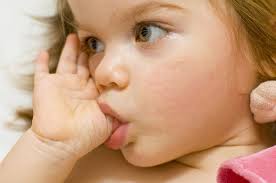
Thumb sucking effects on children’s teeth and development concern Glen Iris parents—and rightly so. At Tooronga Family Dentistry, Dr. Kaufman frequently addresses parental questions: “Many times I’m asked by parents, when do they need to halt the thumb sucking habit of their child?” Understanding that babies have natural sucking reflexes, which leads them to put their thumbs or fingers into the mouth, because it is soothing—and that sometimes they develop a habit of thumb sucking when they’re bored, tired or anxious—helps parents recognize this behavior is initially normal. However, thumb sucking becomes a concern when the permanent teeth come into play—at which point the habit might begin to affect the roof of the mouth, the position of the tongue, the way the lip functions or how the teeth are positioned. Knowing that the point when the parents need to become concerned is when the child reaches the age of 3.5 years old (since it may cause lisping, “trapped lower lip” swallowing, jaw development problems, and permanent teeth misalignment) empowers parents to intervene at the optimal time using positive reinforcement strategies.

Quick Facts: Thumb Sucking Statistics

Thumb sucking prevalence and effects:

  • 📊 75-95% of infants engage in thumb sucking (normal developmental behavior)
  • 📊 45-50% of children continue thumb sucking beyond age 2
  • 📊 15-20% still thumb sucking at age 5 (concerning—dental effects likely)
  • 📊 5% continue into elementary school (significant orthodontic problems probable)
  • 📊 80%+ of prolonged thumb suckers develop dental misalignment (malocclusion)

The critical age: 3.5 years old—when permanent tooth development begins, making thumb sucking effects on dental positioning significant.


Understanding the Sucking Reflex: Why Babies Thumb Suck

The Natural Sucking Reflex

Babies have natural sucking reflexes, which leads them to put their thumbs or fingers into the mouth, because it is soothing.

The biological basis:

✓ Innate reflex (present from birth—survival mechanism for feeding) ✓ Self-soothing behavior (releasing endorphins—calming, comforting) ✓ In-utero development (ultrasounds show fetuses thumb sucking in womb—starting before birth) ✓ Normal developmental stage (0-2 years—completely appropriate)

Why thumb sucking is soothing:

  • Endorphin release (brain chemicals—producing calm, pleasure)
  • Rhythmic motion (repetitive sucking—creating meditative state)
  • Familiar comfort (if started in womb—recognizable soothing mechanism)
  • Accessible self-regulation (always available—unlike pacifier that can be lost)

Infant thumb sucking is normal—parents should not be concerned during first 2 years.


When Thumb Sucking Becomes a Habit

Sometimes they develop a habit of thumb sucking when they’re bored, tired or anxious.

Thumb sucking triggers in toddlers/children:

⚠ Boredom (seeking stimulation—thumb sucking providing sensory input) ⚠ Tiredness (fatigue—reverting to infant self-soothing for sleep) ⚠ Anxiety (stress, fear, uncertainty—thumb sucking providing security) ⚠ Transitions (new sibling, starting preschool, moving—coping mechanism) ⚠ Habit formation (frequent use—becoming automatic, unconscious behavior)

The transition from reflex to habit:

  1. Infancy (0-12 months): Natural reflex—self-soothing
  2. Toddlerhood (1-2 years): Comfort behavior—still normal
  3. Preschool (2-4 years): Becoming habit—should be decreasing
  4. School age (5+ years): Problematic habit—intervention essential

Glen Iris parents should monitor frequency and duration of thumb sucking as child ages—occasional brief episodes less concerning than constant, prolonged thumb sucking.


When Does Thumb Sucking Become a Dental Problem?

The Critical Transition: Permanent Teeth Development

Thumb sucking becomes a concern when the permanent teeth come into play.

Why permanent teeth matter:

Baby teeth (primary dentition):

  • Thumb sucking effects on baby teeth less concerning (teeth will be replaced)
  • Mild misalignment often self-corrects when thumb sucking stops
  • Temporary changes (resolving after habit cessation)

Permanent teeth (developing under gums):

  • Thumb sucking effects on permanent teeth serious concern (teeth permanent—damage lasting)
  • Developmental disruption (teeth forming incorrectly—position, angle, eruption)
  • Permanent misalignment (requiring orthodontic treatment—expensive, lengthy)

Permanent teeth timeline:

  • Age 3-4: Permanent teeth forming in jaw bone (under gums—not yet visible)
  • Age 5-6: First permanent molars erupting (behind baby teeth)
  • Age 6-7: Permanent front teeth erupting (replacing baby incisors)

Critical period: Ages 3-7—when permanent tooth development most vulnerable to thumb sucking effects.


The 5 Dental Effects of Prolonged Thumb Sucking

Effect 1: Roof of Mouth Changes (Palatal Effects)

At this point the habit might begin to affect the roof of the mouth:

How thumb sucking affects palate:

⚠ High, narrow palate (thumb pressure—pushing palate upward, narrowing arch) ⚠ “Gothic arch” (pointed roof of mouth—characteristic thumb sucking deformity) ⚠ Reduced nasal airway (narrow palate—constricting nasal passages) ⚠ Speech difficulties (altered oral cavity shape—affecting sound production)

The mechanism: Continuous thumb pressure against hard palate (thousands of hours)—literally reshaping bone during development.


Effect 2: Tongue Position Problems

The position of the tongue:

Normal tongue position:

  • Resting on palate (gentle upward pressure—supporting proper palate development)
  • During swallowing: Pushing against palate (stimulating lateral palate growth)

Thumb sucking tongue position: ⚠ Tongue thrust (thumb displacing tongue—pushing forward during swallow) ⚠ Low tongue posture (resting on mouth floor—not supporting palate) ⚠ Forward tongue position (between or against front teeth—pushing teeth forward)

Consequences:

  • Open bite (front teeth don’t meet—tongue pushing between)
  • Narrow palate (no upward tongue pressure—palate not developing width)
  • Speech problems (tongue not positioned correctly for proper sounds)

Effect 3: Lip Function Disruption

The way the lip functions:

Normal lip function:

  • Closed at rest (lips together—maintaining oral seal)
  • Coordinated swallowing (lips, tongue, cheeks working together)

Thumb sucking lip effects:

⚠ “Trapped lower lip” kind of swallowing (Dr. Kaufman’s specific observation) ⚠ Lip incompetence (lips not closing—chronic mouth breathing) ⚠ Lower lip trapped behind upper teeth (during swallow—abnormal muscle pattern) ⚠ Mentalis strain (chin muscle hyperactive—compensating for trapped lip)

The “trapped lower lip” swallow:

  • Lower lip sucked inward (between upper and lower teeth)
  • Abnormal swallowing pattern (muscles adapting to thumb presence—continuing after habit stops)
  • Facial muscle imbalance (requiring myofunctional therapy to correct)

Effect 4: Tooth Position Problems

How the teeth are positioned:

Common thumb sucking tooth effects:

⚠ Overjet (“buck teeth”) (upper front teeth protruding forward—angled outward) ⚠ Open bite (front teeth don’t touch—vertical gap when biting) ⚠ Posterior crossbite (back teeth misaligned—narrow upper jaw) ⚠ Crowding (narrow arches—insufficient space for teeth) ⚠ Asymmetry (if favoring one thumb/finger—one-sided effects)

Severity correlation:

  • Intensity (forceful sucking—worse effects)
  • Duration (hours per day—more time = more damage)
  • Frequency (continuous vs. occasional—constant worse)

The orthodontic reality: Prolonged thumb sucking frequently requires braces ($6,000-9,000)—entirely preventable by stopping habit early.


Effect 5: Jaw Development Problems

Prevent the lower jaw from developing in the right direction:

Normal jaw development:

  • Forward growth (lower jaw advancing—achieving proper relationship with upper jaw)
  • Vertical growth (jaw height increasing—providing space for teeth)
  • Balanced development (symmetrical—proper facial proportions)

Thumb sucking jaw effects:

⚠ Restricted forward growth (thumb blocking—lower jaw remaining retracted) ⚠ Retrognathic profile (“weak chin” appearance—lower jaw underdeveloped) ⚠ Class II malocclusion (overbite—upper teeth far ahead of lower) ⚠ Facial imbalance (aesthetic concerns—receding chin, protruding upper teeth)

Long-term consequences:

  • TMJ problems (jaw joint strain from misalignment)
  • Sleep apnea risk (retracted lower jaw—narrow airway)
  • Orthognathic surgery (severe cases—jaw surgery correcting skeletal problems, $20,000-40,000)

When to Intervene: The Critical Age

Age 3.5 Years: The Intervention Threshold

The point when the parents need to become concerned is when the child reaches the age of 3.5 years old:

Why 3.5 years specifically:

✓ Permanent teeth developing (in jaw bone—vulnerable to positioning effects) ✓ Speech development (critical period—thumb sucking interfering) ✓ Jaw growth patterns establishing (development trajectory setting—thumb sucking altering) ✓ Habit becoming entrenched (longer continuation—harder to break) ✓ Social considerations (preschool—potential teasing beginning)

Before 3.5 years:

  • Gentle discouragement (no pressure—allowing natural cessation)
  • Monitoring (frequency, duration—tracking for increasing concern)
  • Positive modeling (not mentioning, no negative attention)

After 3.5 years:

  • Active intervention (positive strategies—helping child stop)
  • Dental evaluation (Dr. Kaufman assessing—identifying early changes)
  • Consistent approach (parents, caregivers aligned—clear expectations)

The Specific Problems After Age 3.5

Speech Effects: Lisping

Since it may affect the speech and cause lisping:

How thumb sucking causes speech problems:

⚠ Tongue thrust (tongue pushing forward—affecting “s,” “z,” “t,” “d” sounds) ⚠ Open bite (front teeth gap—air escaping, affecting sibilants) ⚠ Altered oral cavity (high narrow palate—affecting resonance) ⚠ Frontal lisp (“th” sound replacing “s”—”thnake” instead of “snake”) ⚠ Lateral lisp (air escaping sides—”slushy” sound quality)

Speech therapy implications:

  • Therapy less effective while thumb sucking continues (habit reinforcing speech errors)
  • Therapy more effective after habit cessation (tongue free to learn correct placement)
  • May require therapy even after stopping (learned speech patterns persisting)

Glen Iris parents should know: Speech therapists and dentists often collaborate—addressing thumb sucking essential for successful speech therapy.


Swallowing Problems: Trapped Lower Lip

Cause a “trapped lower lip” kind of swallowing:

The swallowing dysfunction:

Normal mature swallow:

  • Tongue against palate (pushing upward, backward)
  • Lips closed (light contact—no strain)
  • Teeth together or slightly apart

Thumb sucking swallow: ⚠ Lower lip trapped (sucked inward—between teeth) ⚠ Tongue thrust (pushing forward—immature swallow pattern) ⚠ Mentalis hyperactivity (chin muscle contracting excessively—”pebbly chin”) ⚠ Facial grimacing (abnormal muscle patterns—visible during swallowing)

Why this matters:

  • Thousands of swallows daily (reinforcing abnormal pattern—muscle memory)
  • Continues after habit stops (learned pattern—requiring retraining)
  • Affects facial growth (abnormal muscle forces—influencing jaw development)
  • Requires myofunctional therapy (specialized treatment—retraining oral muscles, $1,500-3,000)

Jaw Development: Wrong Direction Growth

Prevent the lower jaw from developing in the right direction:

Directional growth problems:

⚠ Vertical excess (jaw growing downward—long face syndrome) ⚠ Horizontal deficiency (jaw not growing forward—retruded profile) ⚠ Asymmetric growth (one-sided thumb favor—facial asymmetry)

Facial profile effects:

  • Convex profile (upper jaw prominent, lower jaw receded—”bird face”)
  • Gummy smile (vertical excess—showing excessive gum)
  • Weak chin (horizontal deficiency—aesthetic concern)

Treatment requirements:

  • Orthodontics (guiding growth—functional appliances)
  • Possible surgery (severe skeletal discrepancies—orthognathic correction)

Permanent Teeth Position

And affect the position of the permanent teeth:

Permanent dentition effects:

⚠ All effects listed above persist into permanent teeth:

  • Overjet, open bite, crossbite
  • Crowding, spacing
  • Misalignment

⚠ Plus additional problems:

  • Ectopic eruption (teeth erupting wrong location—blocked by malposed teeth)
  • Impaction (teeth unable to erupt—trapped in bone)
  • Prolonged orthodontics (severe problems—3-4 years braces vs. 18-24 months if stopped early)

The permanent damage: Unlike baby teeth (which fall out), permanent teeth misalignment from thumb sucking is lifelong without orthodontic intervention.


How to Help Children Stop Thumb Sucking: Positive Strategies

The Positive Reinforcement Approach

To help the child stop the habit it is always good to use positive reinforcements.

Why positive reinforcement works best:

✓ Builds cooperation (child wanting to stop—not forced) ✓ Reduces anxiety (stress often triggers thumb sucking—punishment worsens) ✓ Empowers child (feeling capable—increasing self-confidence) ✓ Maintains relationship (trust preserved—no power struggles) ✓ Addresses underlying needs (security, comfort—finding alternatives)

Ineffective negative approaches: ✗ Punishment (shaming, scolding—increases anxiety, often worsening thumb sucking) ✗ Bitter nail polish (uncomfortable—may work but doesn’t address root cause) ✗ Physical barriers (thumb guards, gloves—frustrating, doesn’t teach self-control) ✗ Threats (“teeth will be ugly”—creating fear, anxiety)


Strategy 1: Reminders

Give them reminders:

Gentle reminder techniques:

✓ Verbal cues (“Remember, thumb out”—gentle, matter-of-fact) ✓ Hand signals (non-verbal reminder—avoiding embarrassment in public) ✓ Sticker charts (visual tracking—showing progress) ✓ Timer approach (gradually extending thumb-free periods—building tolerance)

Important principles:

  • Non-judgmental (neutral tone—not scolding)
  • Private (avoiding embarrassment—especially around peers)
  • Consistent (all caregivers using same approach—clear expectations)
  • Immediate (reminding when observed—not dwelling on past incidents)

Strategy 2: Target Setting

And possibly set targets that will help the child lose the habit:

Goal-setting strategies:

Gradual targets:

  1. Daytime only (stopping during day—nighttime continues temporarily)
  2. Specific situations (no thumb sucking at preschool, during meals—defined contexts)
  3. Time-based (“thumb-free mornings”—then afternoons, then full days)
  4. Nighttime last (sleep thumb sucking hardest—addressed after daytime success)

Reward systems:

✓ Sticker charts (sticker for each thumb-free day—visual progress) ✓ Privilege rewards (extra story, special activity—not material bribes) ✓ Celebration milestones (one week thumb-free—family celebration) ✓ Intrinsic motivation (praising effort, self-control—building internal drive)

Age-appropriate goals:

  • 3-4 years: Simple (thumb-free during favorite TV show)
  • 5-6 years: Moderate (entire school day)
  • 7+ years: Comprehensive (complete cessation—daytime and nighttime)

Strategy 3: Identifying and Addressing Root Causes

At times it is important to identify the reason for sucking, like feeling more secure:

Common underlying reasons for thumb sucking:

⚠ Anxiety/insecurity (new sibling, parental conflict, school stress) ⚠ Fatigue (overtired—reverting to infant soothing) ⚠ Boredom (understimulation—seeking sensory input) ⚠ Sensory needs (oral stimulation—proprioceptive input) ⚠ Habit only (no emotional need—automatic, unconscious behavior)

Addressing root causes:

If anxiety/insecurity:

  • Increased reassurance (extra cuddles, quality time—meeting emotional needs)
  • Talk about feelings (validating emotions—helping expression)
  • Reduce stressors (if possible—removing sources of anxiety)
  • Professional help (counselor if significant anxiety—addressing mental health)

If fatigue:

  • Earlier bedtime (adequate sleep—reducing tiredness triggers)
  • Consistent routine (predictable—reducing stress)
  • Quiet time (rest periods—before exhaustion point)

If boredom:

  • Increased engagement (activities, play—providing stimulation)
  • Hands-busy activities (crafts, building—occupying hands)

If sensory needs:

  • Oral alternatives (chewy tubes, sugar-free gum—appropriate oral input)
  • Occupational therapy (if significant sensory issues—professional assessment)

Strategy 4: Substitution with Comfort Objects

And trade the sucking with a cuddly animal:

Alternative comfort objects:

✓ Stuffed animal (hugging instead of thumb sucking—providing comfort) ✓ Soft blanket (tactile comfort—security object) ✓ Special toy (designated comfort item—replacing thumb)

Transitioning to alternatives:

  1. Introduce object (giving special stuffed animal—making it appealing)
  2. Associate with comfort (cuddling with animal during calm times—building positive association)
  3. Substitute gradually (when thumb sucking urge arises—offering animal instead)
  4. Reinforce use (praising animal cuddling—making it preferred choice)
  5. Consistent availability (always accessible—reliable comfort source)

Why substitution works:

  • Meets underlying need (comfort, security—addressing reason for thumb sucking)
  • Provides alternative (something to do with hands—replacing habit)
  • Socially appropriate (cuddling toy acceptable at all ages—unlike thumb sucking)
  • Gradually reducing dependence (eventually outgrowing toy—natural progression)

When to Seek Professional Help

Dr. Kaufman’s Thumb Sucking Evaluation

Professional assessment indicators:

🚨 Child over 4 years still actively thumb sucking (especially daytime) 🚨 Dental changes visible (open bite, overjet, crossbite developing) 🚨 Speech problems (lisping, tongue thrust) 🚨 Intense sucking (prolonged, forceful—creating calluses, sores on thumb) 🚨 Resistance to stopping (despite consistent positive efforts—habit very entrenched) 🚨 Emotional distress (child anxious about stopping—may indicate deeper issues)


Professional Thumb Sucking Interventions

What Dr. Kaufman provides:

✓ Dental examination (assessing current damage—bite, palate, teeth position) ✓ Parent counseling (positive cessation strategies—customized to child) ✓ Child education (age-appropriate explanation—helping understanding) ✓ Appliance options (if necessary—reminder devices, not punishment) ✓ Monitoring progress (follow-up visits—tracking improvement, encouraging) ✓ Orthodontic referral (if significant damage—early intervention)

Habit appliances (palatal crib):

When positive methods fail:

  • Palatal crib (device behind front teeth—physically blocking thumb)
  • Reminder, not punishment (uncomfortable to suck with crib—child choosing to stop)
  • Highly effective (90%+ success—habit usually broken in 2-6 weeks)
  • Last resort (used only after positive methods exhausted)

Preventing Thumb Sucking Problems: Early Strategies

For Parents of Infants and Toddlers

Preventive approaches:

✓ Pacifier alternative (if self-soothing needed—easier to wean than thumb) ✓ Limit to sleep times (even in infancy—reducing habit formation) ✓ Address needs promptly (hunger, discomfort—reducing soothing need) ✓ Encourage other comfort (cuddling, rocking—teaching alternative soothing) ✓ Don’t over-focus (ignoring occasional thumb sucking—not drawing attention)

Pacifier vs. thumb:

Pacifier advantages:

  • ✓ Removable (can be taken away—controlled cessation)
  • ✓ Orthodontic designs available (less dental damage—if must use)
  • ✓ Easier weaning (around age 2-3—before dental problems)

Thumb disadvantages:

  • ✗ Always available (can’t be removed—child controls)
  • ✗ Harder to break (entrenched habit—longer duration)
  • ✗ More intense (often more forceful sucking—worse dental effects)

The recommendation: If child needs sucking comfort, pacifier preferable to thumb—but weaning by age 2-3 essential.


Expert Pediatric Dental Care in Glen Iris

Comprehensive Thumb Sucking Assessment and Support

Dr. Kaufman provides:

✓ Early dental examinations (age 1—establishing dental home, monitoring development) ✓ Thumb sucking monitoring (age-appropriate guidance—preventing problems) ✓ Parent education (cessation strategies—positive, effective approaches) ✓ Dental damage assessment (identifying early changes—intervening promptly) ✓ Orthodontic planning (if damage occurred—minimizing treatment needed) ✓ Child-friendly approach (gentle, encouraging—building dental confidence)


Schedule Your Child’s Evaluation

Get Expert Guidance on Thumb Sucking

Please don’t hesitate to contact us for more information about sucking or to schedule an appointment to examine the condition of the dentition.

Protect your child’s dental development.

Call Tooronga Family Dentistry: 9822 7006

Contact Information

  • Phone: 9822 7006
  • Services: Pediatric dentistry, thumb sucking evaluation, early orthodontic assessment
  • Location: Glen Iris (serving Malvarn, Ashburton, Camberwell, surrounding Melbourne)

What to Expect at Thumb Sucking Consultation

  1. Comprehensive oral examination (teeth, bite, palate, jaw—assessing current status)
  2. Development assessment (age-appropriate expectations—identifying concerns)
  3. Parent discussion (habit patterns, attempts to stop—understanding situation)
  4. Child-friendly explanation (age-appropriate—helping understanding without fear)
  5. Customized cessation plan (positive strategies—tailored to child’s needs)
  6. Follow-up scheduling (monitoring progress—providing ongoing support)

Take Action: Help Your Child Stop Thumb Sucking

Summary: Thumb Sucking Key Points

When thumb sucking becomes concerning:

  • ⚠ Age 3.5 years—intervention threshold (permanent teeth developing)
  • ⚠ Dental effects: Open bite, overjet, crossbite, crowding, jaw problems
  • ⚠ Speech effects: Lisping, tongue thrust
  • ⚠ Swallowing effects: Trapped lower lip pattern
  • ⚠ Jaw effects: Wrong direction growth, weak chin

How to help child stop (positive reinforcement):

  1. ✅ Gentle reminders (non-judgmental—consistent)
  2. ✅ Set targets (gradual goals—celebrating success)
  3. ✅ Identify root causes (anxiety, fatigue, boredom—addressing underlying needs)
  4. ✅ Provide alternatives (cuddly animal, comfort object—substituting)

When to seek professional help:

  • Child over 4 years still actively thumb sucking
  • Visible dental changes (bite problems developing)
  • Speech problems (lisping appearing)
  • Positive methods not working (habit entrenched)

Call 9822 7006 for professional evaluation and support.

Dr. Kaufman will assess your child’s dental development, provide customized cessation strategies, and monitor progress—ensuring optimal oral health.

Don’t wait until permanent teeth damaged. Address thumb sucking by age 3.5.

Serving Glen Iris, Malvern, Ashburton, Camberwell families with expert, gentle pediatric dental care.

Breakfast Cereal Sugar Content: Why Popular Kids’ Cereals Are Destroying Teeth and Health

Posted on 03.18.15

The Shocking Truth About Breakfast Cereal Sugar

Breakfast cereal sugar content is destroying children’s teeth and health across Glen Iris—yet most parents have no idea. The amount of sugar contained within our most popular breakfast cereals has been brought to the public’s attention through alarming research. Analysis by the Obesity Policy Coalition reported in the papers show that four of the 10 most popular children’s cereals contain more than 30% sugar—meaning in a 100g serving there are eight teaspoons of sugar. At Tooronga Family Dentistry, Dr. Kaufman sees the devastating effects daily: cavities in toddlers, obesity in children, and type 2 diabetes emerging earlier than ever. Understanding breakfast cereal sugar content, recognizing that healthy diet image we are sold may not be so healthy, and knowing sugar’s contribution to tooth decay risk and obesity empowers Glen Iris parents to protect their children.


Breakfast Cereal Sugar: The Shocking Statistics

30%+ Sugar in Popular Children’s Cereals

Four of the 10 most popular children’s cereals contain more than 30% sugar.

What 30% sugar means:

100g serving = 30g sugar = 8 teaspoons sugar

Common children’s cereals with 30%+ sugar:

  • Froot Loops: 35% sugar (8.8 teaspoons per 100g)
  • Coco Pops: 34% sugar (8.5 teaspoons per 100g)
  • Honey Smacks: 43% sugar (10.8 teaspoons per 100g)
  • Lucky Charms: 37% sugar (9.3 teaspoons per 100g)

Typical child serving: 40-50g cereal Sugar per typical serving: 3-4+ teaspoons (in ONE bowl)

Plus milk sugar: Lactose adds 5-6g (1+ teaspoon) Total breakfast sugar: 4-5+ teaspoons from “healthy breakfast”


Breakfast Cereal Sugar vs. Recommended Daily Limits

The guidelines for consumption of added sugars are for no more than 10% for someone who is not overweight.

WHO sugar guidelines:

10% limit (maximum):

  • Children 4-6 years: 19g sugar daily (5 teaspoons max)
  • Children 7-10 years: 24g sugar daily (6 teaspoons max)
  • Adults: 50g sugar daily (12 teaspoons max)

5% recommendation for health benefits: The World Health Organisation recommends less than 5% of sugar, for “additional health benefits”.

5% limit (optimal):

  • Children 4-6 years: 9-10g sugar daily (2.5 teaspoons)
  • Children 7-10 years: 12g sugar daily (3 teaspoons)
  • Adults: 25g sugar daily (6 teaspoons)

Single bowl of sugary cereal: 12-16g sugar (3-4 teaspoons) Percentage of daily limit: 80-160% of optimal limit in ONE meal


Why 5% Sugar Target Matters

In other words to minimise the risk of obesity, heart disease and some cancers this is the target that we should adopt.

5% sugar reduces risk for:

⚠ Obesity (excess sugar converting to fat—weight gain) ⚠ Type 2 diabetes (insulin resistance—blood sugar dysregulation) ⚠ Heart disease (inflammation, triglycerides—cardiovascular damage) ⚠ Certain cancers (obesity-related cancers—colon, breast, endometrial) ⚠ Tooth decay (bacteria feeding on sugar—acid production, cavities) ⚠ Fatty liver disease (fructose metabolism—liver fat accumulation)

The reality: Popular breakfast cereals deliver 160% of optimal daily sugar before school starts.


The Marketing Deception: “Healthy” Breakfast Cereals

The Healthy Diet Image vs. Reality

It demonstrates again how the healthy diet image, we are sold, may be not so healthy.

Breakfast cereal marketing claims:

✗ “Part of balanced breakfast” (if 30% sugar—hardly balanced) ✗ “Fortified with vitamins” (added nutrients don’t negate sugar damage) ✗ “Whole grain goodness” (whole grain + 30% sugar = still unhealthy) ✗ “Energy for kids” (sugar energy spike—then crash) ✗ Cartoon characters (targeting children—making sugar appealing)

The deception:

  • Health halo effect (vitamins, whole grain—distracting from sugar content)
  • Serving size manipulation (nutrition label shows 30g—children eat 50g+)
  • “Natural” sugar claims (honey, cane sugar—still sugar, same damage)

Reading Food Labels: Hidden Sugar

And we need to be vigilant and read the ingredients on the label to tell what we are ingesting.

How to identify sugar on labels:

Sugar content per 100g:

  • Low sugar: <5g per 100g
  • Medium sugar: 5-22.5g per 100g
  • High sugar: >22.5g per 100g
  • Breakfast cereals with 30%+: 30g+ per 100g (VERY HIGH)

Sugar’s many names on ingredient lists:

Watch for these hidden sugars:

  • Sucrose, glucose, fructose, dextrose
  • Corn syrup, high-fructose corn syrup
  • Honey, agave nectar, maple syrup
  • Maltodextrin, maltose
  • Cane sugar, raw sugar, brown sugar
  • Fruit juice concentrate

Ingredient list trick: Ingredients listed by weight (highest first). If sugar/variants in top 3 ingredients—product is sugar-dominant.


Sugar and Tooth Decay: The Direct Damage

How Breakfast Cereal Sugar Causes Cavities

We know what sugar does to our teeth and its contribution to the risk for decay.

The sugar-cavity mechanism:

  1. Sugar consumed (breakfast cereal—coating teeth)
  2. Bacteria metabolize sugar (Streptococcus mutans—living in plaque)
  3. Acid produced (bacterial waste—pH drops to 5.5 or below)
  4. Enamel demineralization (acid dissolving minerals—creating cavity)
  5. Repeated exposure (daily sugary cereal—continuous acid attacks)
  6. Cavity formation (accumulated damage—holes in teeth)

Why breakfast cereal particularly damaging:

⚠ Sticky texture (flakes, clusters adhering to teeth—prolonged sugar exposure) ⚠ Morning timing (if brushing BEFORE breakfast—sugar sitting on teeth all day) ⚠ Daily frequency (every morning—continuous acid attacks) ⚠ Combined with milk (lactose adding sugar—total sugar load increased)


Breakfast Cereal Sugar and Children’s Teeth

Children’s cavity statistics:

  • 42% of children 2-11 have cavities in baby teeth
  • 23% of children 2-11 have untreated cavities
  • High-sugar breakfast cereals major contributing factor

Why children more vulnerable:

⚠ Thinner enamel (baby teeth—more susceptible to decay) ⚠ Developing brushing skills (incomplete plaque removal—sugar/bacteria remaining) ⚠ Frequent eating (snacks plus meals—multiple sugar exposures daily) ⚠ Permanent teeth forming (sugar affecting development—under gums)

Dr. Kaufman’s clinical observation:

Glen Iris children eating high-sugar cereals daily develop multiple cavities requiring:

  • Fillings (early childhood—traumatic)
  • Crowns (baby teeth—stainless steel)
  • Extractions (severe decay—tooth loss before permanent teeth ready)
  • Costs: $hundreds-thousands (preventable with diet change)

Sugar and Obesity: The Systemic Damage

How Breakfast Cereal Sugar Causes Obesity

But if that energy isn’t used for motion our body converts it to fat and it adds to the risk of obesity and diabetes.

The sugar-to-fat pathway:

  1. Sugar consumed (breakfast cereal—rapid glucose absorption)
  2. Blood sugar spike (glucose flooding bloodstream—insulin release)
  3. Insulin signals (storing excess glucose—as fat)
  4. Fat accumulation (if not burned—deposited in liver, abdomen, tissues)
  5. Weight gain (repeated daily—progressive obesity)

Why breakfast cereal sugar particularly fattening:

⚠ High glycemic index (refined carbs + sugar—rapid blood sugar spike) ⚠ Liquid calories (milk adding—easily consumed, not satiating) ⚠ Large portions (children often 2+ servings—doubling sugar/calories) ⚠ Morning energy excess (if sedentary—sugar converting to fat, not burned)


Breakfast Cereal Sugar and Childhood Obesity

Childhood obesity statistics Australia:

  • 25% of Australian children overweight/obese
  • High-sugar breakfast significant contributing factor
  • Obese children: 70% become obese adults

The vicious cycle:

  1. Sugary cereal breakfast (3-4 teaspoons sugar)
  2. Blood sugar crash (2-3 hours later—hunger, fatigue)
  3. Sugary snack (to “restore energy”—more sugar)
  4. Continuous insulin (fat storage mode—weight gain)
  5. Insulin resistance developing (cells becoming resistant—pre-diabetes)
  6. Type 2 diabetes (childhood diagnosis—lifelong condition)

Breakfast Cereal Sugar and Type 2 Diabetes

The diabetes connection:

Repeated sugar spikes (daily high-sugar cereal) → Continuous high insulin → Cells become insulin-resistant → Pancreas overworking → Type 2 diabetes

Childhood type 2 diabetes rising:

  • Historically rare (type 2 was “adult-onset diabetes”)
  • Now increasing (children as young as 8-10 diagnosed)
  • Strong correlation (high-sugar diets—including breakfast cereals)

The tragedy: Type 2 diabetes in children—preventable through diet (low-sugar breakfasts).


Healthier Breakfast Alternatives

Low-Sugar Breakfast Cereals

Better cereal choices:

Plain oats: <1% sugar (0.2 teaspoons per 100g) Shredded wheat: 1% sugar (minimal processing) Puffed rice: 1% sugar (plain, unflavored) Bran flakes: 15-20% sugar (moderate—check labels)

Improvement strategy:

  1. Start mixed (50% sugary cereal + 50% plain—reducing sugar)
  2. Gradually transition (25% sugary + 75% plain—weaning off)
  3. Eventually plain (100% low-sugar—natural taste preference adjusting)

Natural sweeteners (small amounts):

  • Fresh fruit (berries, banana slices—fiber + nutrients offsetting natural sugars)
  • Small honey drizzle (1 teaspoon—controlled addition, <3g sugar)

Non-Cereal Breakfast Options

Protein-based breakfasts:

✓ Eggs (scrambled, boiled—protein, healthy fats, zero sugar) ✓ Greek yogurt (plain—add own fruit, controlling sugar) ✓ Cheese (protein, calcium—savory breakfast) ✓ Avocado toast (whole grain—healthy fats, fiber)

Benefits over sugary cereal:

  • Stable blood sugar (protein/fat—slow digestion, no spike/crash)
  • Better satiety (feeling full—reducing mid-morning snacking)
  • Nutrient density (vitamins, minerals—not just empty sugar calories)
  • Dental health (minimal sugar—no acid attacks on teeth)

What Parents Should Do

Immediate Actions

Protect children from breakfast cereal sugar:

  1. Check cereal labels NOW (sugar per 100g—if >15g, switch)
  2. Transition to low-sugar (gradual—mix with current cereal)
  3. Control portions (measure 30g—not unlimited bowl filling)
  4. Brush AFTER breakfast (removing sugar—preventing tooth decay)
  5. Limit frequency (sugary cereal occasional treat—not daily)

Teaching Children

Sugar awareness education:

✓ Show label (pointing out sugar content—making visible) ✓ Count teaspoons (visual demonstration—8 teaspoons shocking) ✓ Discuss effects (age-appropriate—teeth, health, energy) ✓ Involve in choices (selecting lower-sugar alternatives—empowering)


Dental Care for High-Sugar Diets

If child eating sugary cereals:

Essential protection:

✓ Brush AFTER breakfast (critical—removing sugar before school) ✓ Fluoride toothpaste (strengthening enamel—resisting acid) ✓ Floss daily (between teeth—where cereal sticks) ✓ Regular dental checkups (every 6 months—early cavity detection) ✓ Fluoride treatments (Dr. Kaufman—professional strengthening)

Water after cereal:

  • Rinse mouth (drinking water—diluting sugar, raising pH)
  • Stimulate saliva (natural buffer—neutralizing acid)

Expert Pediatric Dental Care in Glen Iris

Dr. Kaufman’s Comprehensive Cavity Prevention

Tooronga Family Dentistry provides:

✓ Dietary counseling (identifying hidden sugars—breakfast cereal education) ✓ Cavity risk assessment (examining teeth—early detection) ✓ Fluoride treatments (professional application—strengthening enamel) ✓ Sealants (protecting molars—preventing decay) ✓ Parent education (label reading, healthier choices—empowering families) ✓ Early intervention (treating cavities—before extensive damage)

Why choose Tooronga Family Dentistry:

  • Prevention-focused (stopping cavities—not just treating)
  • Parent partnership (education—understanding sugar effects)
  • Gentle approach (child-friendly—positive dental experiences)
  • Comprehensive care (diet, hygiene, fluoride—complete protection)
  • Glen Iris location (convenient—serving local families)

Schedule Your Child’s Dental Checkup

Protect Your Child from Sugar Damage

Is breakfast cereal destroying your child’s teeth?

Call Tooronga Family Dentistry: 9822 7006

What to Expect

  1. Comprehensive examination (checking for cavities—sugar damage assessment)
  2. Dietary discussion (breakfast habits—identifying high-sugar foods)
  3. Label reading education (understanding sugar content—making informed choices)
  4. Cavity prevention plan (fluoride, sealants, hygiene—protecting teeth)
  5. Treatment if needed (gentle care—fillings, fluoride treatments)
  6. Follow-up scheduling (regular monitoring—preventing problems)

Contact Information

  • Phone: 9822 7006
  • Services: Pediatric dentistry, cavity prevention, dietary counseling, fluoride treatments
  • Location: Glen Iris, serving Malvern, Ashburton, Camberwell, surrounding Melbourne families

Take Action: Reduce Breakfast Cereal Sugar

The Bottom Line on Breakfast Cereal Sugar

Popular children’s cereals contain:

  • ⚠ 30%+ sugar (4 of top 10 brands)
  • ⚠ 8 teaspoons sugar per 100g serving
  • ⚠ 3-4 teaspoons in typical child portion
  • ⚠ 160% of optimal daily sugar (WHO 5% recommendation)

Health consequences:

  • ⚠ Tooth decay (daily acid attacks—cavities developing)
  • ⚠ Obesity (excess sugar→fat storage—weight gain)
  • ⚠ Type 2 diabetes (insulin resistance—childhood diagnosis)
  • ⚠ Heart disease risk (inflammation—long-term damage)

What parents must do:

  1. ✅ Read labels (sugar per 100g—choose <5g)
  2. ✅ Switch cereals (plain oats, shredded wheat—low sugar)
  3. ✅ Control portions (measure servings—not unlimited)
  4. ✅ Brush after breakfast (removing sugar—protecting teeth)
  5. ✅ Regular dental visits (Dr. Kaufman—monitoring, preventing)

Don’t let marketing deceive you.

“Healthy breakfast cereal” with 30% sugar is destroying children’s teeth and health.

Call or book online Tooronga Family Dentistry on (03) 9822 7006 for expert dietary counseling and cavity prevention.

Dr. Kaufman will assess your child’s dental health, discuss breakfast choices, and create comprehensive protection plan.

Serving Glen Iris families with evidence-based pediatric dental care.

Protect your child. Reduce breakfast cereal sugar today.

  • A Calm and Relaxing Experience

    Start your journey
  • Happy Smiles, Our Passion

    Children's Dentistry
  • Dentistry for the Whole Family

    Explore Services
  • Straight Teeth for a Healthy Smile

    Learn More
  • When To Start

    Book now
  • Aesthetic Dentistry

    Book now

Orthodontic braces

Clear Aligners

Free Child Orthodontic assessment

Book an appointment

Our recent posts

  • Hole in a Tooth — What Should You Do?
  • Why Do I Have Bad Breath Even After Brushing?
  • Why Are Teeth Sensitive to Hot or Cold?
  • Smile Makeovers in Glen Iris — Composite Bonding, Veneers and Cosmetic Dentistry
  • Best Toothpaste for Sensitive Teeth in Australia

RSS Know your teeth

  • The Fountain of Dental Youth
    The reason cosmetic dentistry is experiencing a boom is that baby boomers want to preserve their youthful appearance.
  • What Color Is Your Smile?
    Food and drink, illness, injury, heredity or environmental factors can discolor teeth.
  • The Fountain of Dental Youth
    The reason cosmetic dentistry is experiencing a boom is that baby boomers want to preserve their youthful appearance.

Australian Dental Association
Australian Society For treatment of Periodontal Disease and Implants
Australian Society For Dental Sedation
Society for Dental Care of Children.
Society for Esthetic and Cosmetic Dentistry
Study Club of Excellent Dentistry

Any use of this site constitutes your agreement to the Terms and Conditions and Privacy Policy. Please click on the links to read them.

Copy rights Dental Idea Pty. Ltd

  • Sitemap

Webdesign, creation and maintenance by Dental Idea Pty. Ltd.